Jay Randall is the fiction-writing pseudonym of a freelance author who lived in Asia for many years. His articles and essays have appeared in The Atlantic, Smithsonian, Scientific American, and Newsweek, among many other publications, but his first work of fiction, the story “Midnight Caller,” has only just come out this week. It appears in our current issue (July/August 2024), in the Department of First Stories. The story centers around a student of crime fiction. Its author is obviously very well read in the genre, and in this post he talks about the most essential but most mysterious element behind compelling fiction. —Janet Hutchings
Many years ago, I ran across a jacket blurb that was unexpectedly rich in meaning. I can’t remember the author of the book or the blurb, but the statement has stuck with me: “[the author] emerges as a second Dreiser—but a Dreiser who can write.”
What a revelation! Theodore Dreiser was an unquestioned giant of American literature, but here was confirmation of my experience of Sister Carrie and An American Tragedy—forced upon me when I ran out of reading material in the backwaters of China. Dreiser told a good story, and he understood people, but his sentences were terrible. (I remember that the fat, facing-pages translation of David Copperfield I acquired next came as a colossal relief.)
Since then, I’ve often reflected on what I’ll call the mystery of mastery. I’m guessing most readers of this blog are familiar with the feeling. You start a new book or story and it’s immediately obvious whether or not you’re in capable hands. Sometimes you think you can see why. The guttural, Anglo-saxon verbs that Wallace Stroby, with an unerring sense of rhythm, employs to build the vivid action sequences of The Barbed Wire Kiss, for example. Or the high-octane, rage-fueled brio that Newton Thornburg—a mostly forgotten author I like so well I gave him a cameo in “The Midnight Caller”—brings to Cutter and Bone. Then you see the same thing somewhere else and it just feels clumsy or hackneyed. Maybe it’s your mood.
The greatest mystery, to me, is the mastery of Michael Connelly. Like everyone else, I love his books, whether it’s Harry Bosch or Mickey Haller or Renée Ballard, for their razor-sharp plotting. But his sentences also give me that same feeling of surety I experienced when I cracked open David Copperfield after slogging through Sister Carrie, and I’ve never been able to pinpoint why. For the most part, Connelly purposely eschews “style,” or even its more workmanlike cousin, “voice.” His sentences are the kind you read in a news magazine—albeit a good one, from the days when everybody still read magazines—and yet they’re somehow better than that.
It’s authority, I used to think, his background on the police beat. That and the fact that he never puts a foot wrong. (You’ll never find a clanger of a sentence in one of Connelly’s books.) But then I delved into a few novels by other folks with even stronger claims to their subject, district attorneys and FBI agents turned author and so forth, and it was immediately obvious that real life expertise is good marketing but unconnected to mastery.
Write what you know must be the most misleading and unnecessarily discouraging bit of “craft” advice ever conceived, as well as the hoariest, I’ve decided. Sure, there are masters who have experience—everybody knows that Ian Fleming and John Le Carré were spies, and George V. Higgins was an Assistant U.S. Attorney. They’re the exceptions. Most of the time, when I pick up a novel by a moonlighter or second-careerer, I find the same mistake-free, magazine prose that Connelly uses, but there’s no magic. There’s nothing wrong with it, but there’s nothing right about it, either.
I can’t lay any claim to mastery myself, of course. Too often, I find the same, frustrating lifelessness in my own efforts, and my many failures have given me a true respect for anyone who finishes a book, let alone manages to get one published. How is it that I know it when I see it, yet can’t replicate it, or, dare I hope, am only able to replicate it in tantalizing spurts?
Maybe that’s why those of us who can see it love it so much. We all know somebody who can’t tell the difference between Kem Nunn and—you’ll have to fill in the blank. I promised myself I wouldn’t call anybody out as an unredeemable Dreiser. Surely those poor souls can’t love books the way we do. Or, hell, maybe they can. Maybe they read the way I used to as a kid, when the idea of “craft” had never crossed my mind, with an innocent joy.
I hope that’s true. I’ll never know. It’s a mystery.
In 1991, John J. McKeon’s first novel, The Serpent’s Crown, was called “powerful, riveting and timely” by the New York Times Book Review. But shortly thereafter he became engrossed in a quarter-century career as a freelance business journalist. He’s recently started focusing exclusively on fiction again and has a story entitled “The Great Wolf” in EQMM’s next issue, July/August 2024 (on sale June 11). The story turns around a writer and his career, so the following post, in which the author reflects on the current state of the fiction marketplace, ties right in. —Janet Hutchings
I belong to a small writers’ group that has been meeting for monthly dinners at Chinese restaurants for thirty-plus years now. My personal marker: After one of our first meetings we lingered to watch O.J. Simpson’s white Ford Bronco lead a police armada along the L.A. freeways. An early example of “you can’t make this stuff up.”
We also share a large beach house every fall for a week of writing and bickering. We don’t “workshop” stories or even swap manuscripts much. We’ve all published (in some cases published a lot), and our interests are pretty diverse.
What we don’t talk about, much, is writing. We’ve all done it and will do it again. Besides, we’re really not good at much else.
The one thing, though, that we do blabber on about is the evergreen topic of who’s publishing what, and where, and for how much.
That, and who/what we should read next. However stressed the publishing industry can sometimes appear, it definitely keeps readers supplied with new tales.
I’ve often had the experience of stumbling on a mystery or thriller that I’ve enjoyed, only to find it’s number nine in a seventeen-book series . . . and counting. The number of ongoing mystery series is truly daunting, as a visit to the bookstore at almost any writers’ conference will demonstrate.
Add in the increasing ease and quality of self-publishing options, and the result can only be described as a boom.
Readers can choose among an impressive cast of detectives to find the sleuth of their dreams.
Some are good with their fists and know exactly where to get an untraceable gun. Others whip up a peerless martini and sling quips with suave abandon. Still others figure out the whole befuddling puzzle without leaving their fireside armchair.
Then there are the amateurs who solve crimes with sheer persistence and common sense, generally impeded by a dense police detective.
A would-be mystery writer could easily conclude that we live in a golden age. Online submission engines generate dozens of pubs open to our work, and it seems that new mystery magazines are springing up all the time, especially when we consider the web-only publications. Facebook regularly fills my timeline with calls for submissions and recommendations that I join groups dedicated to matching writers with outlets.
It might seem that mystery writers today have more places to publish than ever before, and anyone who isn’t getting stuff out there regularly just isn’t trying.
This outpouring of published mystery fiction is good for writers, of course.
Or is it? Raymond Chandler, as long ago as 1944, wrote in The Atlantic[i] about the “production of detective stories on so large a scale, and by writers whose immediate reward is small and whose need of critical praise is almost nil.”
He added: “The average detective story is probably no worse than the average novel, but you never see the average novel. It doesn’t get published. The average — or only slightly above average — detective story does.”
Except that today, the average novel does get published, thanks to self-publishing. The old, idealized model of selling a work to a “name” commercial publisher, having it come out in hardcover and appear on bookstore shelves, being reviewed in prominent places, and so forth . . . for the vast majority of aspiring authors, that’s just gone. In its place we have self-publishing.
Depending on what source you consult, millions of self-published books appear annually. All aimed at a public whose average member, according to recent surveys, might or might not read one book a year.
Most editors, when asked, will describe themselves as overwhelmed by their submission queues, and underwhelmed by the quality of what they’re seeing.
With so very, very much out there, why do we keep trying to add to it? In part, I suppose, we see this tsunami of the humdrum as a chance to shine by comparison. The secret is to figure out how.
As the pubs always advise, I read a lot of mystery mags, novels, and online stories, to see what kinds of things are being bought and published. And I’ve been noticing something interesting.
A striking number of the stories I have most enjoyed—the most engaging and satisfying stories—don’t really hinge at all on what we would conventionally think of as “detective work.”
In one story, a guy hides under a bed while someone is murdered in the next room. After a period of cowering, he gets up, looks around, gathers his own stuff and goes on with his day.
In another, the narrator has a date with a woman who tells him she thinks she’s being followed by a hitman. They talk about it, they walk home, he kisses her good night. Next day it’s in the news that someone broke into the woman’s apartment and murdered her.
I found numerous other examples: Stories in which suspects, interviews, stakeouts, red herrings and other conventions of the gumshoe trade are conspicuously absent.
Yet I could not stop reading. In the first example, I felt every bit of the narrator’s dread as he “ear-witnessed” a murder. In the second, the narrator’s retrospective anguish over what he could have/should have done made for a lot of emotional impact.
Maybe all these examples show is a further blurring of the line between “mystery stories” and “stories.” Tales whose protagonists are passive recipients of information from others are hardly new. That’s how Oedipus was undone, after all, and that story has held up pretty well.
It may be true that there are only six basic plots (or seven, or nine, or 36, depending on who’s counting.) It may indeed be impossible to come up with anything really new.
So in our quest to stand out, perhaps we should concentrate on characters for a while, or setting, or writing style, or . . .
Or perhaps something completely otherworldly, ridiculous, impossible will play out on our TV screens while we sip our favorite beverage . . .
Or something. One way or the other, we’ll keep writing, largely because we can’t imagine not writing.
This week we have a post from an author who will make his fiction debut in the Department of First Stories of our July/August 2024 issue (on sale June 11) with the moving story “Letters From Tokyo.” Yoshinori Todo is a Japanese citizen, but he was born in Vienna and has also lived in Munich and London. He speaks four languages fluently—English, Japanese, German, and Russian—and although he currently lives in Tokyo, he writes fiction only in English. In this post, he talks about what is, for him, the most essential element of fiction. —Janet Hutchings
It is my long-held belief that good fiction—whether we’re talking mystery, sci-fi, fantasy, romance, horror, or plain “literary”—should make the reader feel strongly in some way. The level of success a piece of fiction will enjoy correlates, at least in my view, directly with how deeply and intensely it makes the reader experience these raw and elementary human emotions: happiness, sadness, fear, anger, surprise, and/or disgust. (There are no doubt more emotions, like desire, amusement, awe, and contempt, but the above six might be considered the “basic emotions” on which all others are based.)
Everything else seems secondary. Characterization, mood, theme, setting, even plot itself—they are all necessary and important for good storytelling, no question, but it seems to me that they are necessary and important only insofar as they serve as “tools” that enable the writer to achieve that one difficult and elusive main goal, to wit: to leave the reader overcome and breathless with emotion.
A story can be told in a unique voice with a distinctive vocabulary, it can boast fantastic character developments, beautiful descriptions, and mind-bending plots and sub-plots . . . and yet, if the author fails to make the reader feel passionately about at least some aspect of the story, if the author fails to establish that emotional connection with the reader so crucial to the reading experience, then it won’t leave much of an impression regardless. Something will be missing, and the reader will instinctively pick up on it, finish the story feeling unsatisfied or even indifferent. After all, if a story leaves you emotionally cold, then what’s the point of having read it at all? Surely your time would have been better spent elsewhere.
These emotions are so basic and universal that they transcend age, nationality, ethnicity, culture, even gender and class barriers, and what have you. When they resonate within our hearts, they not only unite and bind us together in our shared experience, they are what make us human (yes, many animals feel them too, but that’s a topic for another day). All living human beings, except maybe for a negligible minority that are emotionally dead inside for whatever reason, experience them to some degree or another. Not everybody may be able to express or understand their emotions well, but they feel them, all right.
I mean, what’s more universally understood than these often-cited examples? You feel sadness if you lose a friend or a beloved family member to violent crime, to an illness, to an accident, to war. You feel sadness and/or anger if you find out that your partner has been carrying on behind your back (and maybe with your best friend to boot!). You feel happiness if the object of your desire gazes deeply into your eyes and assures you with calm sincerity that she or he loves you back. You feel surprise if you discover that the vicious killer that has left a trail of victims in his wake turns out to be your own best friend whom you trusted, and not the butler whom everyone suspected (because, let’s face it, butlers are an especially homicidal breed). You feel disgust when an innocent man, proclaiming his innocence until his last dying breath, becomes a victim of miscarriage of justice and is executed. And so on.
And here it doesn’t matter a hill of beans whether you’re male or female, whether you’re thirteen years old or thirteen years old times six (seventy-eight), whether you’re a high school dropout or a graduate of higher education, whether you’re Japanese or American or Russian or German or Brazilian or Mauritian or whatever, whether you’re a millionaire CEO reading by the swimming pool with an ice-cold glass of piña colada clutched in one hand or a dirt-poor peasant crouching in a tumbledown hut in the middle of nowhere and reading by the uncertain light of a single candle.
These emotions speak to all of us, and it is the fiction writer’s job and responsibility to create characters and scenarios so lifelike, memorable, and achingly relatable that the reader cannot help but feel them, that the reader is . . . yes, manipulated and even tricked into feeling them. Accordingly, in my opinion, how successful a fiction writer is going to be can, almost without exception, be answered with this one simple question: How strongly can the fiction writer make the reader feel?
And when it comes to fiction that’s really all that matters, isn’t it?
I cannot help but feel contempt (that’s just me, though; feel free to disagree) for works of fiction that leave their audience … well, for want of a better expression, “emotionally confused.” I’ve found that many works of so-called literary fiction tend to have this rather annoying characteristic, although not only.
In such stories, a character might ponder long and hard about what they have done or what they are about to do (maybe), and then something completely unrelated and/or out of the character’s control might happen to shake things up a bit, but before we can learn more, the story might end abruptly with neither a clear resolution nor an identifiable moral lesson, almost as if the writer has run out of ideas or steam or most likely both. Or the character might move from one scene or encounter to the next seemingly without purpose, logic, or reason—leaving the reader, upon finishing the story, to scratch his or her head and wonder: What am I supposed to feel now … except maybe confusion? The story might have been slightly sad but also slightly optimistic, maybe slightly suspenseful but also slightly boring, because in the end nothing much of interest happened. Or did it? And anyway, if the character (often uninteresting, if not downright unlikable) doesn’t seem to feel or care all that much, why should the reader?
I don’t know about you, but I always feel cheated reading such a story! I’m not talking about ambiguous endings, though, let me be clear on that; ambiguous endings, if done properly, possess their own special charm that can leave the reader deeply affected. I’m talking about stories with ambiguous emotions, where it is left to the reader to decide what emotion(s), if any, he or she is supposed to take away from them, as if the author was undecided himself or maybe just trying to be particularly clever. Whenever I come across such fiction, I feel an urge to send off an exasperated message to its author: I don’t want to figure out ANYTHING, this isn’t school and this isn’t a psychotherapy session, it’s YOUR job to make ME feel something!
Except I never do, of course. See, I don’t care enough for such works to bother one way or another. In my book, this type of story is a loser, though, plain and simple (maybe a bit harsh, but that’s how I feel). It might be well written—and since it was published, chances are it is—but I for one will put it out of my mind by roughly the speed of sound and move on to the next, hopefully more emotionally satisfying story. A story should be told clearly and concisely, with a clear goal of what emotion(s) it is meant to arouse in the reader. That’s not too much to ask for, is it?
Now take, for example, “An Occurrence at Owl Creek Bridge” by Ambrose Bierce and “The Lottery” by Shirley Jackson. Two of the most famous, successful, and enduring short stories ever written. Much ink has been spilled analyzing and dissecting them, but to me, it seems crystal clear why they work so well. In a masterful way, they manage to evoke in the reader these universally understood and elementary human emotions, and they aren’t dallying around getting down to business, either: fear, sadness, and surprise (and in the case of “The Lottery” you can probably throw in disgust, as well). Both stories pack a wallop in the emotional department, leaving the reader completely overwhelmed and breathless with emotion. That’s why they work, and that’s why they continue to be read and loved and studied and discussed to this day. Plain and simple.
Some people may argue that fiction can also make you think and be successful, and I have no argument there . . . except to say that stories that engage your mind in all likelihood engaged your heart first. After all, if you are not emotionally invested in a fictional story, would you invest yourself mentally in it? If you are looking for cut-and-dried, objective information, go read nonfiction! There are thousands of fine books in this category written and published each year, on subjects as diverse as wildlife, space exploration, world wars, nutrition, human sexuality, international travel, computer programming, you name it. Nothing wrong with any of them. But if you are looking to experience those elementary, raw emotions that make us human, look for good fiction!
In my story “Letters From Tokyo” (so grateful to editor Janet Hutchings for accepting it for publication in EQMM; talk about happiness!) I strove to evoke in the reader the following emotions: love and pride for one’s child (happiness), longing for said child that hasn’t returned home in ages (sadness), worry about losing said child forever (fear), loneliness and slowly dawning realization of one’s own approaching demise (sadness and fear), and hope that everything will turn out all right in the end (desire for happiness). The story incorporates elements of mystery, suspense, and crime, but more than anything else, it tries to capture the depth of these genuine, heartfelt emotions. I hope you like it, dear reader.
In conclusion, let me reiterate once again how essential and all-important to us those emotions are in our experience and journey as human beings. So much so that we come back looking for them again and again and again … like a junkie looking for his next fix, almost. And whenever readers—irrespective of age, gender, class, wealth, cultural or ethnic background—pick up a new novel or a collection of short stories, I have an idea that they do it precisely with this hope. They want to be taken away and think new thoughts, gain new insights, and vicariously experience new things, but above all, they want to be made to feel those elementary and powerful human emotions: happiness, sadness, fear, anger, surprise, and/or disgust. And it is the fiction writer’s job—if he or she is to be successful—to not leave them disappointed . . . or worse, indifferent.
Art Taylor has won the Edgar and Anthony and multiple Agatha, Macavity, and Derringer awards for his short fiction. He is one of a very rare breed of writer these days: one who devotes most of his time to the short story. His novel-in-stories entitled On the Road With Del and Louise won the Agatha Award for best first novel. His other books are short story collections: The Boy Detective and the Summer of ’74 and Other Tales of Suspense and The Adventure of the Castle Thief and Other Expeditions and Indiscretions. Art has managed to produce such a large number of top-notch stories while also serving as an associate professor of English at George Mason University. He made his own fiction debut in EQMM’s Department of First Stories and through his teaching he has directed to EQMM other authors who have also gotten their start in our pages. In this post he has some interesting thoughts to share about structure as it pertains to the short story, and he’s brought in examples of fiction written by his students to illustrate the points. Don’t miss Art’s latest story, “Dark Thread, Loose Strands,” which appears in our current issue (May/June 2024). It’s a powerful one!—Janet Hutchings
My latest story for Ellery Queen is “Dark Thread, Loose Strands,” and it’s the last word of the story’s title that I want to focus on here today. Specifically, I want to explore how the interweaving of additional narrative strands—other perspectives or other timelines, for example—might enhance a piece of short fiction.
“Dark Thread, Loose Strands” has four sections, told from the perspectives of three people: Lyman, a janitor in a large office building; Tyler, a young boy being bullied in his first year of junior high school; and Tyler’s new friend, Robbie, struggling with his own feelings of weakness and insecurity. Their stories intersect in a schoolyard—an incident that Lyman catches sight of from his car as he’s passing the school. Lyman gets two sections of the story; his perspectives and his subsequent actions begin and end the tale.
In several of my classes at George Mason University—two levels of fiction workshop (regular and advanced) and then in my special topics class “Writing Suspense”—I spend a fair bit of time talking about modular storytelling, relying heavily on Madison Smartt Bell’s terrific craft guide Narrative Design: Working with Imagination, Craft, and Form. As I explain to students, while a linear narrative might follow one character/perspective through a series of events in a chronological way, a modular narrative expands a story by adding different elements in concert with or opposition to the single storyline—a layering of what Bell calls “vectors.”
That layering might involve shuttling between different character’s perspectives on the same series of events (each perspective its own vector of the story) or interweaving a character’s experiences from many years before with their current situation and struggles (each timeline a vector) or perhaps shifting narrative distance (omniscient, intimate) or tones (humorous, somber) or even genres (story, essay) from one section to the next. Each series of vectors forms its own strand of the story, and each strand has its own weight—a fabric or a mosaic, depending on your metaphor, whose design only becomes clear when you step back and view the whole thing.
“In modular narrative design,” Bell explains, “narrative elements are balanced in symmetry as shapes are balanced in a symmetrical geometric figure, or as weights are balanced on a scale . . . At the page-by-page level, the modular unit will most probably look like a text block, separated from its fellows by space breaks.”
Many of my students jump at the opportunities here. In the semester that’s just ended, for example, several students in my Advanced Fiction Workshop submitted stories with complex structures. One story charted the tensions between an elementary school teacher and her new class—a downward spiral, deftly navigated by the writer—but that primary storyline alternated with short essayistic sections about pedagogical practices and, um, cows, and then … well, it would be a spoiler to say what else those sections contained, but the interweaving (and then intersecting) of the narrative and the essayistic was extraordinary. Another story focused on a young pianist undergoing finger surgery, but the author shuttled between the day of the operation and a second vector of past scenes that underscored the reasons why she was pursuing such a drastic procedure—offering up as well some ominous foreshadowing. A third story—coincidentally also about a pianist and perhaps the most elaborately structured—orchestrated five different strands covering the woman’s development as a pianist and her lifelong struggles with relationships: one beginning with piano lessons and following through early life toward a traumatic event; a second in the present as the protagonist battled artistic blocks and navigated a new relationship; the third and fourth about evolving relationships with her college roommate and her mother, respectively; and a final strand centering on sessions with her therapist. In each story, the students navigated the shifts skillfully and used the vectors to dramatically expand the scope and emotional weight of their stories.
The advantages of such structures might be obvious, but they’re worth emphasizing. Learning about a protagonist at different stages of her life not only provides opportunities for developing greater depths of character but might also allow a reader to see how the past impacts present choices. Several perspectives on a single incident might lead us to question what really happened (Rashomon-styled) or else provide a richer understanding, greater context, greater complexity, possibly greater emotional weight. And from a suspense angle… well, it’s a tried-but-true tactic to cut to another scene or perspective at a cliffhanger moment, but let me also stress the benefit of dramatic irony. If the reader realizes how the arc of character A’s story will intersect with character B’s story and character C’s story—knowledge that none of the characters themselves have about one another—then that reader gets a god’s-eye view of where things are coming together and might end up on the edge of their seat waiting for the collision ahead.
That’s one of the main things I love about modular storytelling—the role of the reader in putting the pieces together and the elements of the story that rise up between the vectors, between the layers, implicit and hopefully more impactful because they’re not overexplained. As much as a writer carefully builds character and plot and setting, the reader plays an equally integral role in constructing the final and full experience of the story, and modular structures provide a clear way of inviting the reader formally into that role.
That’s kind of what I was aiming for “Dark Thread, Loose Strands,” and I hope that those loose strands—Lyman’s, Tyler’s, Robbie’s—join together into some meaningful design, the whole more than the sum of the parts. I hope that the story—in the collisions and the gaps and what’s left unsaid—delivers a multi-dimensional, immersive, and ultimately emotional experience.
In recent years writer, editor, and translator Josh Pachter, whose career in mystery fiction began with a story in EQMM when he was still in high school, added another role in which he contributes to our field: organizer of mystery events—something he talks about in this post. Josh manages to keep writing fiction in the midst of all his other mystery-related activities. He has a new story, “Texas Kinda Attitude,” in our current issue, May/June 2024, and his first novel, Dutch Threat, appeared in 2023 to stellar reviews and nominations for the Lefty and Agatha Awards. Hats off to one of our genre’s most versatile contributors. —Janet Hutchings
The readers at my last Noir at the ’Voir (May 7, 2024): David Dean, K.L. Murphy, Michael G. Mueller, Kristopher Zgorski, LynDee Walker, (me), John DeDakis, Matthew Iden.
“Noir at the Bar” is a concept that, like Topsy, has growed and growed.
It began in Philadelphia in 2008, organized and hosted by Peter Rozovsky. “I like to tell people I am the father of Noir at the Bar,” he says, “but the sort of father who did not always pay child support.” Rozovsky’s first events featured only one author each and consisted of a reading followed by a Q&A. Jed Ayres and Scott Phillips soon brought N@tB to St. Louis, adding multiple writers and cutting the Q&A, and the concept spread to New York, Los Angeles, and eventually many other cities in and not in the U.S.
My own first exposure to Noir at the Bar came in 2015, when I attended one of author Ed Aymar’s events at the Wonderland Ballroom in Washington, D.C. Two years later, in October 2017, I read my story “Selfie” (which originally appeared in the February 2016 issue of EQMM) at another of Ed’s Noirs and was gratified to be voted the audience’s favorite, for which I was presented with an engraved sword I felt very nervous carrying home on the Metro.
Me with the sword I won as Audience Favorite at Ed Aymar’s October 2017 Noir.
In 2019, I asked Ed if he’d mind my putting together a Northern Virginia edition of Noir at the Bar. He told me that he didn’t own the concept—in fact, no one owned the concept—so I should feel free to go ahead. The Shirlington (VA) Busboys & Poets—a combination bar, restaurant, and bookstore—agreed to provide us with a venue, and on August 25 a gratifyingly large crowd gathered to hear readings by Ed, John Copenhaver, regular EQMM contributor David Dean, Angie Kim, Jehane Sharah (who’d recently been featured in EQMM’s “Department of First Stories”), and Stacy Woodson (who’d just won EQMM’s Reader Award for 2018). Our pre-event promotion listed Shawn Cosby and Dana King as also reading, but Shawn wound up unable to attend and Dana was feeling ill and unfortunately had to leave before his turn to read.
The flyer for my first Northern Virginia Noir at the Bar.The readers at my first Northern Virginia Noir at the Bar (Aug. 25, 2019): Stacy Woodson, me, David Dean, John Copenhaver, Jehane Sharah, Angie Kim, Ed Aymar.
Every N@tB host does things differently. Ed Aymar, for example, allows “his” readers to read either complete short stories or excerpts from longer works, and in the early days of his hosting he awarded a prize (such as my sword) to each event’s audience favorite. I decided to restrict “my” readers to reading complete short stories, and instead of giving one prize to one reader I gave every member of the audience a free raffle ticket and, after each reading, have the reader pull a number from a hat so I can give prizes to multiple lucky attendees. Each reader contributes a book or magazine to be used as a raffle prize, EQMM and AHMM chip in copies of their latest issues, and several publishers I’ve worked with (Down and Out Books, Crippen & Landru, Untreed Reads, Genius Book Publishing, Misti Media, Destination Murders) have also donated prizes.
In November 2019, I did a “Special Ho-Ho-Homicide for the Holidays!” edition of Noir at the Bar, and in February 2020 a “Special Hearts and Daggers!” edition, both at Busboys & Poets, whose management was happy to continue to host us, since most of our attendees and readers ordered dinner and drinks before and during our events and tipped their servers generously.
I scheduled a fourth Northern Virginia N@tB for June 2020, but COVID put the kibosh on that plan … and I probably would have had to cancel it, anyway, since my wife Laurie and I moved down to Richmond at the beginning of the pandemic.
Actually, our new house is in Midlothian, a suburb about twenty minutes west of Richmond—more specifically in Brandermill, a lovely 1970s planned community ringed around the southern and western shores of the Swift Creek Reservoir.
Brandermill is also home to a restaurant, the Boathouse at Sunday Park, which overlooks the water, and I think it was Laurie who first suggested that it would be a perfect venue to host a “Noir at the ’Voir” series. I loved the pun, wished I’d thought of it myself, and when it began to be safe to gather in public again I met with Anne Roy, the Boathouse’s events manager, who agreed to let us use their Swift Creek Room for free.
We held our first Noir at the ’Voir at the end of April 2022, with readings by local authors Frances Aylor, Kristin Kisska, Mary Miley, K.L. Murphy, and Heather Weidner, plus Mark Bergin and Adam Meyer from Northern Virginia. It was a hit—we came very close to filling the sixty-some seats in the Swift Creek Room—and the Boathouse invited us to come back quarterly. Our July event was again a mix of local and Northern Virginia readers, and we added the Lifelong Learning Institute in Chesterfield to our list of co-sponsors. (LLI loaned us a speaker and microphone and donated two gift certificates, each good for a semester of free courses.)
The flyer for my first Noir at the ’Voir.The readers at my first Noir at the ’Voir (Apr. 25, 2022): Mark Bergin, K.L. Murphy, Kristin Kisska, Frances Aylor, Mary Miley, (me), Heather Weidner, Adam Meyer.
Our October 2023 Noir was different in a couple of ways. First, we cut the number of readers from eight to six, partly so that we could wrap things up a little earlier in the evening but mostly because there aren’t nearly as many crime writers in the Richmond area as there are in Northern Virginia, and I didn’t want to ask people who’d already had a chance to read to come back and read again. Second, this was the first time I didn’t host my own Noir: from September through December of 2022, I was teaching two courses in short crime fiction at the University of Ghent in Belgium (see “Passport to Crime Fiction” in the 12/08/22 edition of Something Is Going to Happen), so I was almost four thousand miles from Richmond on the night of the event. My wife volunteered to take over the hosting duties for me, and by all accounts acquitted herself admirably. (Thanks, Laurie!)
I was back on duty for the February 2023 event, for which my daughter, Rebecca K. Jones, flew in from Arizona to read. (Becca has had two courtroom novels and several short stories published. One of the stories, “History on the Bedroom Wall,” was in EQMM’s September/October 2009 issue; we wrote it collaboratively, and its placement made me the only person who’s ever appeared twice in the “Department of First Stories”!)
After three more quarterly Noirs (May, August, and November 2023), I regretfully acknowledged that I was just about out of first-time readers. So I skipped an early-2024 event and scheduled one final Noir at the ’Voir for May 7, 2024. For that one, regular EQMM contributor (and three-time Readers Award winner) David Dean drove down from New Jersey, John DeDakis (author of the Lark Chadwick series) came from Baltimore, and Matt Iden (author of the Marty Singer mysteries) and Kristopher Zgorski (who writes EQMM’s BlogBytes column and with his collaborator Dru Ann Love just won the Agatha Award for Best Short Story for “Ticket to Ride,” from my Happiness Is a Warm Gun: Crime Fiction Inspired by the Songs of the Beatlesanthology) came from Northern Virginia. The other two readers—K.L. Murphy (author of the Detective Cancini series) and LynDee Walker (author of the Nichelle Clarke and Faith McClellan series) live close by in the Richmond suburbs.
A couple of noteworthy things happened at this final ’Voir. Although Kristopher Zgorski wrote a new story especially for the event, he didn’t feel comfortable reading it himself, so he introduced it and his husband, Michael Mueller, read it. And Kellie Murphy, who’d read at the first Noir at the ’Voir, circled back around and read a different story at this last one. Once again, the event was a success. The stories were excellent, the readings were smooth and compelling, the winners of our prize packages (which as usual included copies of both EQMM and AHMM) were delighted to receive them, and several of the regular attendees told me afterward that this was the best Noir at the ’Voir yet.
I have mixed feelings about bringing the series to a close. I’ve enjoyed putting the events together and hosting them, and it’s been a pleasure giving dozens of crime writers the opportunity to read their stories to appreciative audiences. But now it feels like time to move on. I’m not saying that I’ll never host a Noir event again—but I think the series overlooking the beautiful Swift Creek Reservoir may well have run its course. Unless, of course, some new crime writers move into the Richmond area, or some people who already live here start writing crime fiction. If either or both of those things happen, well, who knows?!
Michael Bracken, Janet Hutchings, Stacy Woodson (Credit: Ché Ryback)
It’s time for our annual photo blog about the Dell Mystery Magazines’ cocktail party that immediately precedes each year’s Edgar Allan Poe Awards banquet. I’ll let the photos do most of the talking, with just a few clarifying remarks. Spring is a big season for awards in our field. Not only the Edgars but the Agathas (given at the Malice Domestic Convention in Maryland) and the Derringers (whose winners were announced on the very day of the Edgars this year) have members of the mystery community in a state of excitement and suspense in late April/early May. Often, I include photos from the Malice Domestic Convention, including its Agatha Award winners, in this annual photo post, but this year, no one from either of the Dell mystery magazines attended that convention, so our pictures reveal only New York’s contribution to the season.
The big day—May 1—started for me with a meeting with author Twist Phelan at the Algonquin Hotel Bar, home of the famous Algonquin Round Table, a coterie of literary figures that included Dorothy Parker—who just happens to have been an early and passionate fan of EQMM! Twist and I were a little too early for drinks, but we did manage to get a photo in front of what the waiter assured us was the round table.
As in several past years, the Dell Mystery Magazines party was just down the block from the Algonquin, at the Library of the General Society of Mechanics and Tradesmen, the second oldest library in New York City. This year circumstances prevented our fabulous senior managing editor, Jackie Sherbow, from attending the party, but her hand was in all the preparations and we have her to thank for another glitch-free event.
We had the pleasure of meeting a number of our new authors at the party this year, and that was partly due to a change the Mystery Writers of America made to the Robert L. Fish Award for best short story by a new American author. In all of the previous forty years in which the award was given, a winner was announced well in advance of the Edgar Awards banquet at which the presentation of the award was made, and no nominees were ever named. This year, MWA decided to create some suspense around the award by singling out five nominees, withholding the winner’s name until the banquet. EQMM writers claimed all five nominations, and it turned out that no one wanted to miss the festivities. Even those who live outside of New York made the trip in; you’ll find their photos below. Look for Bill Bassman, Kate Hohl, Sean McCluskey, Meghan Leigh Paulk, and Gabriela Stiteler. Not only were they drawn to the Big Apple, one of this year’s EQMM Readers Award winners, Paul Ryan O’Connor, also a Department of First Stories newcomer—and a nominee for this year’s Derringer Award in the flash-fiction category—made the journey all the way from California.
Of course, there were also many old friends at this year’s gathering. The party began, decades ago, as a venue for presenting the EQMM Readers Awards, and although it has grown into a more general celebration of the awards season, it will always be our purpose to honor the Readers Award winners and present their plaques and scrolls at the event. In addition to Paul Ryan O’Connor, who came in third in this year’s Readers Award voting, we had the pleasure of hosting Richard Helms, a longtime EQMM contributor whose stories for us have won Macavity, Shamus, and Thriller awards. This year he took second place in the Readers Award poll—which drew him out of what he described as J. D. Salinger-like isolation to reconnect with old friends and acquaintances at our party. And then there is David Dean, who earned our readers’ first-place spot this year, as he has done twice before! Even if you’ve never come to New York during Edgars week, David’s face will be familiar to you if you follow this blog.
Once our party was over, most of our guests made their way to the Marriott Marquis Times Square, where my colleague Linda Landrigan (editor of AHMM) and I hosted two tables for the Edgars. There I had the pleasure of catching up with Rob Osler, EQMM’s nominee for the best short story Edgar and a past Robert L. Fish Award winner. He’s someone to watch, with only two years separating his Fish win and his Edgar nomination—and an award-nominated novel came in between! A final highlight of the evening was seeing Katherine Hall Page (pictured below at the Dell party) receive the MWA’s highest honor, the Grand Master Award.
Thanks to our photographer, Ché Ryback, for capturing so many memorable moments with his camera. And a big thanks too to Kevin Wheeler, who manned the drinks table and helped us in many other ways.
—Janet Hutchings
Twist Phelan and Janet Hutchings at Algonquin Hotel Bar (Credit: Twist Phelan)Guests arriving at the Library of the General Society of Mechanics and Tradesmen (Credit: Ché Ryback)Charles Ardai, Robert L. Fish Award nominee Sean McCluskey, Janet Hutchings (Credit: Ché Ryback)Richard Dannay (Credit: Ché Ryback)Elizabeth Zelvin and Charles Ardai (Credit: Ché Ryback)JD Allen, Stacy Woodson, Heather Graham, Michael Bracken (Credit: Ché Ryback)Foreground: Richard and Elaine Helms (Credit: Ché Ryback)Foreground: Joshua Bilmes, James Farner (Credit: Ché Ryback)G.M. Malliet and husband Robert (Credit: Ché Ryback)Sharyn Kolberg, Rob Osler, S.J. Rozan, Brendan DuBois (Credit: Ché Ryback)Anna Stolley Persky, Joshua Bilmes (Credit: Ché Ryback)Mary A. Honerman (Mary Winters) and Quintin Honerman (Credit: Ché Ryback)Forward facing: Terena Bell, Deb Lacy (Credit: Ché Ryback)Forward facing: Shelley Costa (Credit: Ché Ryback)Robert L. Fish Award winner Kate Hohl (Credit: Ché Ryback)Shelly Dickson Carr, Gloria Dannay, Richard Dannay (Credit: Ché Ryback)Joseph Goodrich, Gary Cahill (Credit: Ché Ryback)Robert L. Fish Award nominee Gabriela Stiteler (Credit: Ché Ryback)Rich Ingle, Robert L. Fish Award nominee Meghan Leigh Paulk (Credit: Ché Ryback)LaToya Jovena, Twist Phelan (Credit: Ché Ryback)EQMM Readers Award winner David Dean, background Kevin Egan (Credit: Ché Ryback)Ted and Maggie Hertel (Credit: Ché Ryback)Andrew Klavan, Ted and Maggie Hertel (Credit: Ché Ryback)Laurie Pachter (Credit: Ché Ryback)Rich Ingle, Meghan Leigh Paulk (Credit: Ché Ryback)Paul and Rita O’Connor noticing treasures of the General Society of Mechanics and Tradesmen library (Credit: Ché Ryback)Paul O’Connor, Readers Award scroll winner and Derringer nominee, Rita O’Connor (Credit: Ché Ryback)Gemma Clarke and Robert L. Fish Award nominee Bill Bassman (Credit: Ché Ryback)Sheila Williams, Brendan DuBois, Katherine Hall Page (Credit: Ché Ryback)At table Kevin Wheeler, foreground Sheila Kohler, Kevin Egan (Credit: Ché Ryback)Eric Rutter, Kai Lovelace (Credit: Ché Ryback)Kate Hohl, Warren Frazier, Moses Cardona (Credit: Ché Ryback)Hilary Davidson (Credit: Ché Ryback)S.J. Rozan (Credit: Ché Ryback)Bill Bassman, Russell Atwood (Credit: Ché Ryback)Nancy Novick, Steve Metzger (Credit: Ché Ryback)Gabriela Stiteler, James Murphy (Credit: Ché Ryback)Linda Landrigan (Credit: Ché Ryback)Peter Kanter (Credit: Ché Ryback)Janet Hutchings (Credit: Ché Ryback)Paul Ryan O’Connor (Credit: Ché Ryback)Paul Ryan O’Connor (Credit: Ché Ryback)Richard Helms accepting award (Credit: Ché Ryback)Readers Award winner David Dean accepting award (Credit: Ché Ryback)Shelly Dickson Carr, Katherine Hall Page, Steve Metzger, Terena Bell (Credit: Ché Ryback)Stacy Woodson and Michael Bracken announce upcoming convention ShortCon (Credit: Ché Ryback)Bottom left Kevin Wheeler, foreground, David Dean, Robin Dean (Credit: Ché Ryback)Gary Cahill, Albert Tucher (Credit: Ché Ryback)Josh Pachter, Richard and Elaine Helms (Credit: Ché Ryback)Anna Stolley Persky, JD Allen, Juliet Grames (Credit: Ché Ryback)At Edgars banquet, Linda Landrigan, Josh Pachter (Credit: Josh Pachter)
Jiro Kimura is involved in almost everything related to mysteries as an English-into-Japanese translator, fiction writer, columnist/essayist, book reviewer, current managing editor of The Maltese Falcon Flyer (the official newsletter of The Maltese Falcon Society, Japan), and the webmaster of one of the most important mystery-fiction sites on the Internet. He has translated Edward D. Hoch, Donald E. Westlake, and Joe Gores among others. He presently lives in Japan. The address for his marvelous website, The Gumshoe Site, is: <http://www.nsknet.or.jp/~jkimura/>. The Edgar Allan Poe Awards were given in New York on Wednesday evening and you will be able to find full results soon on Jiro’s site. It’s a resource for all who are interested in mysteries. —Janet Hutchings
I have been dubbed “one of the longest-running mystery bloggers, who started his blog before the word ‘blog’ was coined.” Yes, I am talking about The Gumshoe Site. I, as its webmaster, call it the best mystery website on my short block. I will tell you the shortest version of how easy it is to launch a mystery website but how hard it is to keep it up to date.
In the 1980s, I was an editorial advisor for EQ, the Japanese edition (1978-1999) of Ellery Queen’s Mystery Magazine, while writing a monthly mystery column and translating mystery short stories for Hayakawa’s Mystery Magazine, EQ’s rival magazine. I was contentedly using an old-fashioned word processor for writing these columns and translating mystery fiction, without any interest in computer technology.
In the 1990s, there was some kind of a new fad called the Internet. At my wife’s urging, I decided to sign up a local Internet provider and join a local Internet club as a newbie to learn this mysterious monster baby. As a result, I got very curious about a few mystery-oriented websites on the Net, such as The Mysterious HomePage (now defunct) and ClueLass HomePage (now closed). I was fascinated with their work and bought a book about how to open a website. Those days, you connected your computers to slow-speed phone lines, and if you had surfed from website to website for a long time everyday, your monthly phone bills would be surprisingly high.
Anyway, in January 1996, I finally opened my own ad-free website named The Gumshoe Site, which consisted of a few webpages about its webmaster (that’s me), mystery news, award nominees and winners, mystery links, obituaries and other subjects I got interested in. These days, you can easily create webpages with some applications but in those days you had to write up webpages in “html” language manually. But even a computer-illiterate like me could launch a website. I decided to write my site’s webpages mostly in English, since the Internet is international and I thought my English-written webpages would attract visitors from all over the world. I also subscribed to several mailing lists such as DorothyL (specializing in the whole mystery genre, and still running) and sent them a post of the launching of The Gumshoe Site.
At first, I tried to update my site every month. And in November of the same year, I wrote a book titled The Mystery of the Internet English (not about the mystery of Internet English, as the title suggests, but about how to browse and use English-language mystery websites and sometimes shop at them. This publisher’s title was meant to grab attention from would-be Japanese readers). I also started a regular column about mystery websites for Hayakawa’s Mystery Magazine. I attended several mystery gatherings in the United States, took many photos of writers and uploaded them (photos, not writers) onto my site. I received a number of e-mails from mystery writers I had not met. By then the webmastering had become kind of a fun hobby.
As my professional life changed, my schedule changed. Every time my residential address changes, my priorities change. In the 2010s, I updated my site less frequently—maybe bimonthly. Now I am about to start updating the site quarterly. Since I have been managing the site for more than a quarter century, I can find justifiable excuses to be “lazy.”
As many people say, to launch a website is fairly easy, but to keep updating it is pretty hard. Almost everybody’s life has ups and downs, and so does any website’s life. In the future, I might make over The Gumshoe Site or take a hiatus or fold it for good. I myself don’t know what my future will bring. Nobody knows.
Andrew McAleer is the author of 101 Habits of Highly Successful Novelists and co-editor (with Gay Toltl Kinman) of the mystery anthology Edgar & Shamus Go Golden. He tells us that he recently completed two books featuring his father John McAleer’s Golden Age detective Henry von Stray. See A Casebook of Crime (Volumes 1 and 2),forthcoming from Level Best Books. He is also at work with Gay Toltl Kinman on two mystery anthologies: Shamus & Anthony Commit Capers (Level Best Books) and Agatha & Derringer Get Cozy (Down & Out Books). Previously Andrew has contributed posts to this site about Edward D. Hoch (May 2023), Rex Stout (July 2023), James M. Cain (September 2023), and tips from a variety of famous mystery writers (January 2024). Here he shares his interview and some of his correspondence with Mystery Writers of America Grand Master and Columbo cocreator William Link. William Link and his longtime coauthor Richard Levinson made their fiction debut in EQMM when they were still teenagers, so we’re sure EQMM readers will be interested in William Link’s reflections on a stellar writing career.—Janet Hutchings
Original copy of William Link’s Interview with McAleer
The Ellery Queen Award-winning writing duo of William “Bill” Link and Richard “Dick” Levinson remains perhaps the most successful television and crime- writing team of all time. As crime fiction scholar William L. DeAndrea noted in his Edgar-winning Encyclopedia Mysteriosa, “Levinson and Link parlayed mutual passions for mysteries, magic, and writing into the most honored and productive collaboration in TV history.”
A few of the Levinson-Link blockbuster television creations include: Murder, She Wrote, Columbo, and Ellery Queen. Okay I better mention their eight-season running private eye series, Mannix and their script writing for Alfred Hitchcock Presents, Honey West, and The Fugitive. Major literary awards include multiple Edgars, Emmys, Golden Globes, and Peabody awards.
After Levinson’s death in 1987, Link showed no signs of slowing down. He continued to produce, write, attend Malice Domestic and International Thriller Writers events, produce plays, serve as president of the Mystery Writers of America (MWA), and still found time to grow tomatoes with his wife Margery. In 2010, he received Malice Domestic’s Agatha Christie Poirot Award and, in 2018, he was honored by the MWA with its prestigious Grand Master title along with fellow mystery writing greats Jane Langton and Peter Lovesey.
In 2007, I wrote Link and asked if he would consent to an interview; he graciously agreed. The interview was released in the Fall 2007, Volume 9, No. 2 issue of Crimestalker Casebook and appeared under the title “Ten Questions for William Link.” Here, the future Grand Master of Mystery discussed, among other things, his early days with friend Dick Levinson, a luncheon with the master of suspense Alfred Hitchcock, and novel writing versus screenwriting.
Only a handful of issues containing the William Link interview were printed and fewer distributed. His responses are too good and important to hide from history. Now, thanks to EQMM’s “Something is Going to Happen,” its readers get a rare glimpse into the brilliant mind and career of one of crime fiction’s most ingenious and kindest creators.
* * *
McAleer: You were friends with fellow writing companion and Columbo co-creator Dick Levinson since junior high school. Do you recall your first writing idea with Dick?
Link: Dick and I met in 1946 and started collaborating almost immediately. Much sand has gone through the hourglass since then, but I believe our first writing project was a parody of the then quite popular radio show, “Dragnet.”
McAleer: I read in a biography of Columbo star Peter Falk in the 1963 Celebrity Register, where Falk says that he failed out of Hamilton College because he did most of his studying in the poolroom. I noted in some of the Columbo films how Falk shoots a nice game of pool. Was this Falk taking some license here or did you and Dick give Columbo this talent?
Link: Peter is an excellent pool player. He and John Cassavetes had their own Rat Pack, playing pool around town at night. We never had to fake Peter’s playing on the show. He’s also an excellent charcoal artist. (Author’s Notes: Falk’s right eye was surgically removed when he was three. Cassavetes guest starred in the Columbo episode “Étude in Black,” 1972.)
McAleer: What do you imagine Dick might think of modern mystery novels that seem to contain more romance than mystery?
Link: I don’t think Dick would have condemned mixing romance with mystery if it was done with style, good writing, and cleverness. Romance overwhelming the mystery element is another matter.
McAleer: Dick and yourself also worked on the Ellery Queen TV series staring Jim Hutton as Ellery Queen, and one of the more interesting contributors to the show was a great actor named David Wayne (who, among many other roles, played the Mad Hatter villain on Batman). Did you ever get a chance to meet Wayne?
Link: Dick and I produced the Ellery Queen series, so we knew David Wayne in our working relationship. He was lovely, charming guy, a total pro.
McAleer: When you and Dick brought Mannix to the scene did you have Mike Connors in mind for the role of Joe Mannix?
Link: We sold the Mannix concept to Desilu, wrote the pilot, and didn’t hang around. Paramount TV cast Mike Connors. Never met him on the show, but bumped into him years later at Chasens. (Then an excellent L.A. restaurant). We were mutually complimentary. (Author’s Note: In a 2013 email from Bill he told me Mannix was his and Dick’s first big hit and occupies a special place in his heart.)
McAleer: Your new play “Columbo Takes a Rap” stars Chicago-based actor Norm Boucher and the New York Post tells us that it is already playing to sold-out houses. Can we expect to see Columbo on Broadway or perhaps even abroad?
Link: My new Columbo play was a hit at the International Mystery Festival in June. At the present time the producer is thinking of opening it in London or possibly here in L.A.
McAleer: Do you create differently when writing a novel as opposed to a screenplay?
Link: Writing a novel is a totally different experience than writing a screenplay. In movies, we have directors, music composers, editors, etc. to flesh out our vision. The really difficult thing in writing screenplays is that everything has to be externalized, unlike novels where you can get inside people’s heads, especially in your protagonist’s if you are writing a first-person narrative. Usually novelists are lousy screenwriters because it requires a different set of muscles. You cannot stretch out in a screenplay; everything needs a careful and creative concision.
McAleer: You once had lunch with Alfred Hitchcock. Can you scoop us on any details here like who picked up the tab?
Link: We once had a three-hour lunch with the Master of Suspense in his bungalow at Universal. He was then approaching eighty and so obese it was hard for him to get up from the sofa. Writing-wise, he said that when you use coincidence it must occur early in the script and never again. Always go for the big, important scenes even if they defy logic. That was the basis for his “Refrigerator” theory. While the movie-goer is making a sandwich at midnight after having seen his new thriller, he realizes the big wheat field scene with Cary Grant in “North by Northwest” makes absolutely no sense. Doesn’t matter, Hitch told us—by then I have the man’s money! The lunch was ordered by Hitchcock, the same for him and us: salad, steak, ice cream, black coffee. If you were a smoker you had one of his favorite cigars, a Cuban H. Upmann. Whether you smoked or not, you couldn’t refuse Mr. Hitchcock. Of course, no check.
McAleer: What is your assessment of Georges Simenon’s Maigret stories?
Link: Simenon is one of my favorite authors and I have read over two hundred of his books in translation. I enjoy the Maigrets, but much prefer his stand-alone, psychological novels. Simenon described the Maigrets as pencil drawings and the other as oil paintings. Very accurate analogy. Gide and Sartre considered Simenon France’s greatest existentialist. I concur. For new readers I recommend “Dirty Snow,” which is out in a new translation in paperback. In my opinion this is maybe his best novel. He wrote over five hundred books in a half-century of intense writing. A typical Maigret was written in a three-day stint!
McAleer: What do you have cooking on the literary burner now?
Link: I just sold three short stories to the Hitchcock and Ellery Queen Mystery Magazines and have finished my fourteenth stage play, “Candidate for Murder.” The later is a very subversive whodunit set in Washington. It doesn’t play politics, but hopefully dances on the nerves and the deductive acumen of its audiences.
Post Script
Bill ended the interview this way, “Andy—I hope this suffices. I could go on and on, especially about Hitchcock and how we found the novel for his last movie, “Family Plot,” but that’s another story.” (Author’s Note: Why I never took out a page from Columbo’s book with “Just one more question” on what promised to be an amazing behind-the-scenes look into Hitchcock’s last film remains a mystery.)
* * *
William Link passed away on December 27, 2020 at the age of 87. When learning of Bill’s death his friend Steven Spielberg, who directed the first Columbo episode “Murder by the Book,” paid tribute to “Bill’s good nature” and for Dick and Bill giving him a “huge break” as a “young and inexperienced director.” (Variety)
Bill’s kindness didn’t end with season one of Columbo; it was a constant in my book. When I told him I was coediting my first crime-fiction anthology Coast to Coast: Murder from Sea to Shining Sea with my own literary partner Paul D. Marks, Bill readily agreed to contribute a short story, “Murder Medium Rare”—one of his favorite EQMM contributions, he told me. And when I asked him to contribute writing tips to my book the 101 Habits of Highly Successful Novelists, he agreed without hesitation. I even received a nice note from Bill (who also served in the Army) while I was deployed in Afghanistan wishing me safe passage. I received another welcoming note after my return.
On Sunday nights while Columbo aired across the nation Bill and I would occasionally exchange emails about this week’s exciting Hollywood-legend guest star such as: Jack Cassidy, James Gregory, Richard Anderson, or Dick van Dyke. I’d always receive a fun response from him or even a, “We are watching it now!” (With wife Margery.)
Looking back, the notion that I could email back and forth with a cocreator of Columbo while episodes of the iconic detective aired prime-time seems surreal. Considering Bill’s thoroughly good nature, however, it really shouldn’t. If he were here today, I’d like to tell him just one more thing, “We’re all still watching prime-time, Bill. . . .”
Pat Gaudet was born and raised in south Louisiana, and she’s worked a number of different jobs, including owning a shrimp boat. She makes her debut as a fiction writer in the Department of First Stories of our current issue, May/June 2024, with the story “The Legend of Penny and the Luck of the Draw Casino.” Her choice to write in the mystery genre comes from a long-standing love of mysteries that she tells us came partly from reading the novels of Ellery Queen. In this post she examines one source of the allure of mysteries.—Janet Hutchings
Murder mystery narratives have been with us from the time of Creation. (Even if you’re a Big Banger, stick with me here. The narrative is the point, not the theology.) Take Adam and Eve, for instance. Such a sweet couple. Not a lick of fashion sense, but hey, you don’t know what you don’t know, right? Turns out that’s not always a bad thing. Still, they were healthy, happy newlyweds. No alcohol or drug abuse problems. Totally faithful to each other. No criminal records, anger issues, or financial concerns. Just two ordinary people living their best life in Paradise (literally): no air pollution, ozone depletion, carbon footprints, nuclear waste (you get the picture), all thanks to their benevolent creator and benefactor, Yahweh. Nothing to make you think they’d ever betray Yahweh, turn on one another, or compromise their perfect existence and doom their progeny to certain death. Why would they?
And then the serpent, aka Satan, slithers on to the scene with an arsenal of lies and all hell breaks loose. Satan hates Yahweh and envies the young couple. Especially their legal right to rule Paradise. That right can never be his as long as they’re alive. So he convinces them Yahweh’s warning (that certain death will follow if they eat the fruit of a particular tree) is bogus. Just a ploy to keep them from reaching their full potential. They step out of their safe zone, eat the fruit, and death follows.
All the elements of a killer murder mystery are present in the story. We have the innocent victims in the wrong place at the wrong time. The cold-blooded murderer disguised as a mild mannered life coach who gains their trust. Then comes the con. The entrapment. The murder. And voila, Adam and Eve, first victims of the ultimate bioweapon serial killer, Satan. A psychological thriller. Real page-turner. Classic noir. Personally I find the sequel more satisfying: Yahweh’s son, J.C., uses his own blood to provide the antidote for death, brings Satan to justice, and makes sure the jerk gets to spend eternity doing hard time in a maximum security prison.
So what is it about a good mystery that gets our attention, hooks us, keeps us moving from paragraph to paragraph, page to page, clue to clue, until we reach that aha moment? Is it a complex plot? A haunting sense of place? The ability to peep like shameless voyeurs into the internal mechanisms of the mind? Is it the skill of the writer to turn a phrase? To throw out a red herring, or two, or twenty (too many for me)?
All of the above, please. But in the end, it’s the why element I’m holding out for. When the story ends, I’m never satisfied just knowing who committed the crime, or even how. I have an insatiable curiosity about human behavior. Something in me longs to understand why people do what they do. Without the why, the read is like sitting down to a big bowl of homemade chicken and sausage gumbo (side of creamy potato salad, please), only to discover the hearty chunks of spicy smoked sausage didn’t make it to the party. I hate it when that happens.
For me, the why is as much a part of a murder mystery as the who and how. It’s my need to discover the protagonist’s why that pulls me all the way into a story and compels me to stay with it to the end. It’s what challenges me to look into the depth of my soul. To re-evaluate my perception of right and wrong. Good and evil. How far would I go to right a wrong? Catch a killer? Would I be willing to bring the sympathetic criminal and the psychopathic killer to justice with the same relentless zeal?
I guess my obsession with the why began when I was first introduced to classic mysteries.
Back in the eighties, while living in England, I spent many a cold night reading about fluffy Miss Marple from St. Mary Mead who wore tweed skirts, knitted pretty pink sweaters, and ushered villains—who dared to underestimate her exceptional intelligence and observational skills—to swift justice. I was already taking such delight in immersing myself in the rural English culture, when I encountered Miss Marple on the page. Just an innocent looking old spinster, skeins of wool resting in her lap, mind working out the mystery to the click of knitting needles. But her instincts and the logic she used to figure out who done it—and most importantly, why—mesmerized me. Her superpower was her ability to connect past incidents, and the predictable pattern of people’s behavior she’d observed over the years, to solve the present crime.
Of course, Miss Marple was easily dismissed by the “real detectives” as just another old busybody (ageism, before the term was coined). Right up until her dithery, circuitous way of arriving at the truth exposed a scalpel-sharp mind, well versed in the goodness and depravity of human nature. How matter-of-factly Miss Marple laid bare the who and why of the villain as if even a child should have seen it coming. Oh how I wanted to be like her when I grew old. Knitting needles and all.
I read Christie’s Hercule Poirot novels too. Poirot was staid, the opposite of Miss Marple. He used “the little grey cells” to get to the bottom of things. But there was something about his methodology that appealed to me too. No doubt part of the appeal was his implied backstory: a damaged, displaced person from another country coping by obsessive neatness and control of his personal environment. A man who depended on a cerebral existence to fill his waking hours. I could certainly see the why in his actions. And before everything was said and done, Poirot never failed to expose the killer’s why too. Perhaps I felt that by knowing why a person committed a crime I too could somehow see those predispositions in others. Confront evil in my own way before it was too late.
A few years later I was back in the States, living in Florida and working at Cypress Gardens theme park (which closed down in 2009) when the resident glass blower turned me on to Black Cherry Blues by James Lee Burke. I’d never read anything like it. There was mystery, suspense, action, and a Cajun detective named Dave Robicheaux, another displaced person driven by a tragic past and a need to right the wrongs of this world. At first I was afraid to get too immersed in Robicheaux’s head because of his dark introspection and the struggle with alcohol addiction that plagued him.
But in the end, I couldn’t resist the deep dive because of his innate goodness, his reverence for God (despite all the blue talk), and the raw sense of justice Mr. Robicheaux wore like a mantle handed down to him by Elija himself. On top of that, there was Robicheaux’s sidekick, Clete Pursel, who’s porkpie hat and little-boy innocence captures your heart then breaks it when he goes all rogue and savagely tears into his enemies in an attempt to right a wrong, purge his own ghosts, or fulfill a perceived obligation to protect his podna, Dave.
Burke captured the sense of place and culture with undeniable accuracy—its beauty and brutality. This too became part of Robicheaux’s why. Like Miss Marple, his understanding of the people and culture he grew up with gave him an edge in uncovering the truth and bringing justice to the privileged and marginalized alike. Burke masterfully creates Robicheaux’s world and takes the reader not just into the setting, but into the character’s mind with such eloquent prose. Is it a mystery or mainstream literary fiction? For me, it’s the perfect blend of both. After reading Black Cherry Blues, I realized you don’t have to choose between writing one genre or the other. You can write both. At the same time!
Once I abandoned the genre lines, I began to write the stories so inherent in me, with reckless abandon. And my own writing style and voice emerged stronger. Surer. I began to see why I feel compelled to write the stories that come to me in the night and will not let me go until they’re brought to life on the page. And why secrets and mystery elements must be allowed free rein if I am to tell those stories with authenticity.
Without the why, then the who, what, where, when and how are like dissonant chords begging for a resolution. You can be sure that if one of my story endings leaves the reader hanging, it won’t be the why that’s left unresolved.
So why did Adam and Eve fall for the serpent’s con? Miss Marple would probably say, “Oh my. Well . . . greed and ambition, I should think. So tempting for young people, you see. So why wouldn’t they?”
Larry Sweazy, whose work was last featured in our pages more than a decade ago, returns to EQMM in our current issue (May/June 2024) with the memorable and moving story “The Low Waters,” in the Black Mask Department. The author is one of several EQMM contributors who are best known in the field of Western fiction. Larry won the Western Writers of America’s Spur award for Best Short Fiction in 2005 and for Best Paperback Original Novel in 2013. But he is also a mystery writer who has earned recognition with inclusion in year’s best anthologies and with a nomination for a Derringer Award in 2007. In this post, he considers the overlap of Western and crime fiction—something to be found in most of his fiction, including “The Low Waters,” which includes a setting much associated with Western fiction, the rodeo. —Janet Hutchings
Deep into research about an ex-Civil War spy, I walked to my mailbox and found a brown envelope that contained Donald Hamilton’s first Matt Helm novel, Death of a Citizen. I had told Loren D. Estleman that I had not read any of the Matt Helm novels, that I had only seen the cheesy and fun Bond-knockoff Dean Martin movies of the 1960s. Loren assured me that the books were different, much better than the Matt Helm movies, and sent me a copy. Of course, Loren, a writing legend in the Western and mystery field, was right.
Published in 1960, Death of a Citizen chronicles the rebirth of a World War Two assassin, reactivated by the government after a former colleague goes rogue. The writing is tight and shows off Hamilton’s years of experience as a serious craftsman. At the center of the book, I found the Cowboy Code fully embodied in Matt Helm’s actions. That shouldn’t have been much of a surprise since Donald Hamilton had previously published paperback Westerns alongside his better-known spy novels and novels of suspense; his first novel, Date with Darkness, was published in 1947. I quickly read all the Matt Helm books. Move the Helm books back in time seventy-five years, put Matt on a four-legged mustang instead of behind the wheel of an automobile and all the Matt Helm novels would work as a Western. That could be said for a lot of mysteries and crime novels.
The Cowboy Code is a relatively simple set of ethics. There are several versions written by singing cowboy star Gene Autry, the National Day of the Cowboy, the state of Wyoming and more. The Code goes like this: “The cowboy must never shoot first, hit a smaller man, or take unfair advantage; He must never go back on his word, or a trust confided in him; He must always tell the truth; He must be kind to children, the elderly, and animals…” and continues with more commandments that demand decency and a Do Unto Others mindset. In other words, the Good Guy should be good until someone pulls out a gun. Then all bets are off.
Erle Stanley Gardner, author of the Perry Mason novels, said, “The modern detective story and the modern Western have a great deal in common. In essence both kinds of stories are American products, like corn on the cob and blueberry pie.” Sometimes that commonality is overlooked or looked down upon. Genre fiction is an easy target. Both genres are generally considered the literary equivalent of jazz, but I’ll leave that debate for the academics.
It’s not that difficult to witness the intersection of Westerns, mysteries, and the inclusion of the modern version of the Cowboy Code in both genres. Justified, the television show based on Elmore Leonard’s short story, “Fire in the Hole,” featuring U.S. Deputy Marshal Raylan Givens. Givens, played masterfully by Timothy Olyphant, with a perfect white Stetson, a Gary Cooper limp, and humble aw-shucks charm, is an obvious example of the modern mystery-Western hybrid. Raylan is a walking, talking reflection of the Cowboy Code (even though he breaks some of the rules). Which shouldn’t come as a surprise since Leonard started out writing Western short stories, then moved to writing Western novels. With his crime novels, Leonard catapulted his characters forward in time and brought the best parts of their Western backbone and character with him. If you’ve never read Valdez is Coming or Last Stand at SaberRiver, I would encourage you to search them out. Leonard was a master of dialogue early on, but he was also a master of character. Desperation brings out the best and worst of people no matter the time-period, setting, or genre. Human emotion is boundless, only constrained at times, by value and morals like the Cowboy Code which can be found, I would argue, in all of Elmore Leonard’s books and short stories (See also “3:10 to Yuma”).
Texas writer Bill Crider (author of the excellent Sheriff Dan Rhodes novels) once theorized that the intersection of Western and mystery novels could be found in perfect form at the beginning of modern storytelling. In a JanuaryMagazine article, Crider said, “I could go into a long digression here, expounding one of my pet theories, which is that both the Western and the mystery — at least in the form of the private eye novel — can be traced back a long way together, back to Homer’s Iliad and Odyssey. Then I’d track them forward through Beowulf to Malory’s account of Arthur’s Round Table and on to James Fenimore Cooper’s Leatherstocking Tales. It’s my contention that the so-called ‘Code of the West’ originated with Natty Bumppo, and that from there it developed the unwritten rules followed by The Virginian and by private eyes from Philip Marlowe to Spenser.”
I would extend Bill Crider’s list to Jack Reacher and, of course, to Raylan Givens in print and on the television screen, and add that most, if not all, private eye protagonists, male and female, are Cowboy Code card-carrying members of that original club.
How could the Western and the mystery not continually keep bumping into each other? There is usually a law enforcement entity of some kind involved in both genres: U.S. Deputy Marshal, Texas Ranger, local sheriff, Pinkerton agent, detective, etc. More variations than I can list here. Deputy U.S. Marshal Rooster Cogburn was hired by a fourteen-year-old girl to go after the outlaw who killed her father in True Grit. In the movie Wild Horses, a detective opens a fifteen-year-old missing persons case, and in Craig Johnson’s Walt Longmire books, the local sheriff of Wyoming’s Absaroka County, is one of the best-known crime solvers of the Twenty-First century. Add to the list the stranger that comes to town to clean things up and a direct line can be drawn from Lassiter in The Rider’s of the Purple Sage to the Continental Op in Red Harvest to Jack Schaefer’s Shane to Donald Hamilton’s Matt Helm, and on to Lee Child’s Jack Reacher. Along with the law enforcement aspect, the Cowboy Code exists in each of the characters I’ve noted here. The Code continues to show itself no matter how far away we get from the “Golden Age” of Westerns.
My own introduction to the Western genre came as a kid growing up the 1960s. I have black and white memories of that time since we didn’t have a color television until I was eleven years old. The clarion call of The Lone Ranger or Bonanza meant we’d better be ready to sit down and watch TV or we’d miss the show until the next rerun—which could be months or years. With only three channels there was little choice and Westerns dominated the TV screen. There was no mistaking the Cowboy Code in the Audie Murphy movies that aired on Saturday afternoons (after cartoons), or in Gunsmoke, The Wild, Wild West, or Have Gun, Will Travel or Mannix. It was important to me growing up in a fatherless household to see how men behaved. Tough. Sensitive. Honest. Trustworthy. The good guys were good, and the bad guys were bad—most of the time. I didn’t know anything about the Cowboy Code until I was much older, but I can see now how I was influenced by it and the Westerns that I watched as a kid. When it came time for me to write my own stories, it was probably a given that Westerns would somehow be a foundation for my own novels and short stories, regardless of the era or the genre they were assigned to.
Reading Death of a Citizen by Donald Hamilton was a great gift. One that I would always be grateful to Loren D. Estleman for. That book demonstrated to me how a modern-day character in a spy novel could carry the Cowboy Code and Western DNA into the present and still be true to the mystery/crime/spy genre it was intended for.
The Cowboy Code endures at the intersection of Western and mysteries because both genres touch the same chord of life: restoring order; good prevailing over evil; justice is served; right always wins over wrong. The difference in genre might only be a horse and a car, a different period in time, but the good guys all have the same heart. It is my hope that the Cowboy Code will be standing at the intersection of mysteries and Westerns for a long time to come.
****
For further reading, please check out books written by these authors: Alistair MacLean; Bill Crider; Bill Pronzini; C.J. Box; Craig Johnson; Dashiell Hammett; Davis Dresser (Brett Halliday); Donald Hamilton; Ed Gorman; Elizabeth Crook; Elmore Leonard; Frank Gruber; Harry Whittington; Jack Schaefer; J.A. Jance; James Lee Burke; James M. Reasoner; Joe Gores; John D. MacDonald; Keith McCafferty; L.J. Washburn; Loren D. Estleman; Marcia Muller; Melissa Lenhardt; Max Allan Collins; Richard Jessup; Robert B. Parker; Robert J. Randisi; William L. DeAndrea.





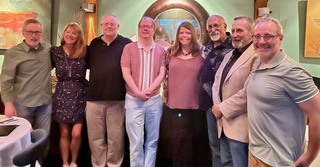
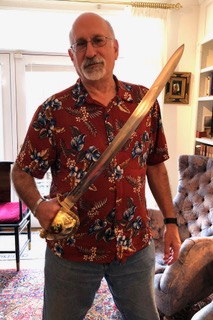
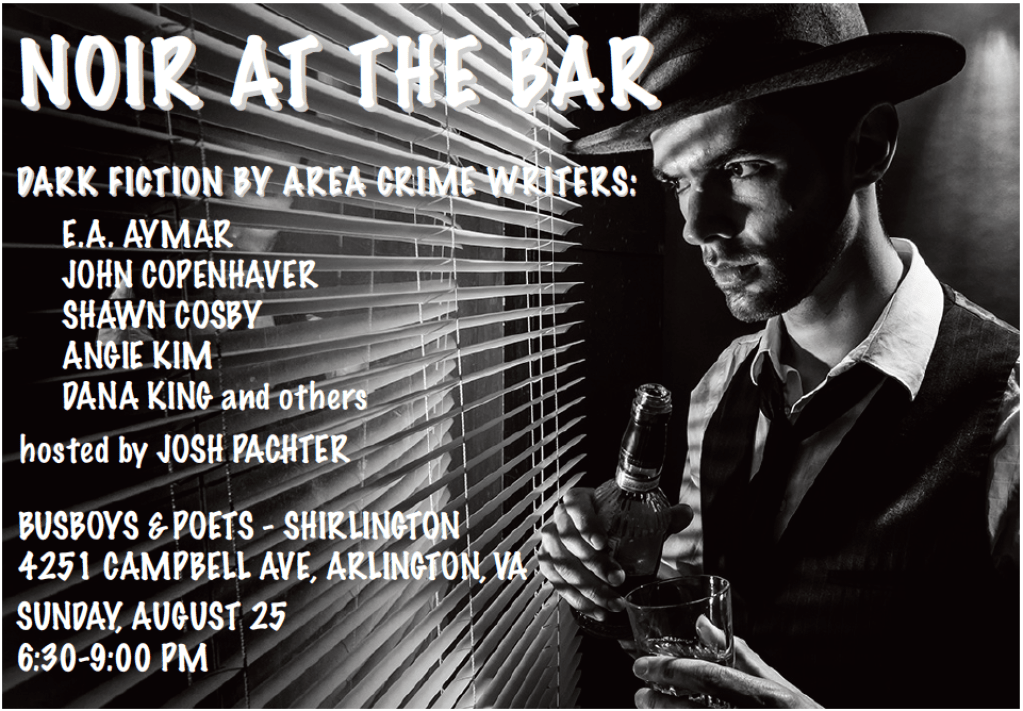

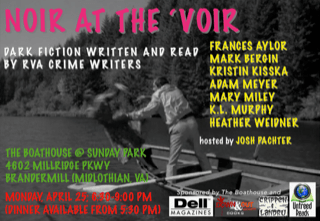
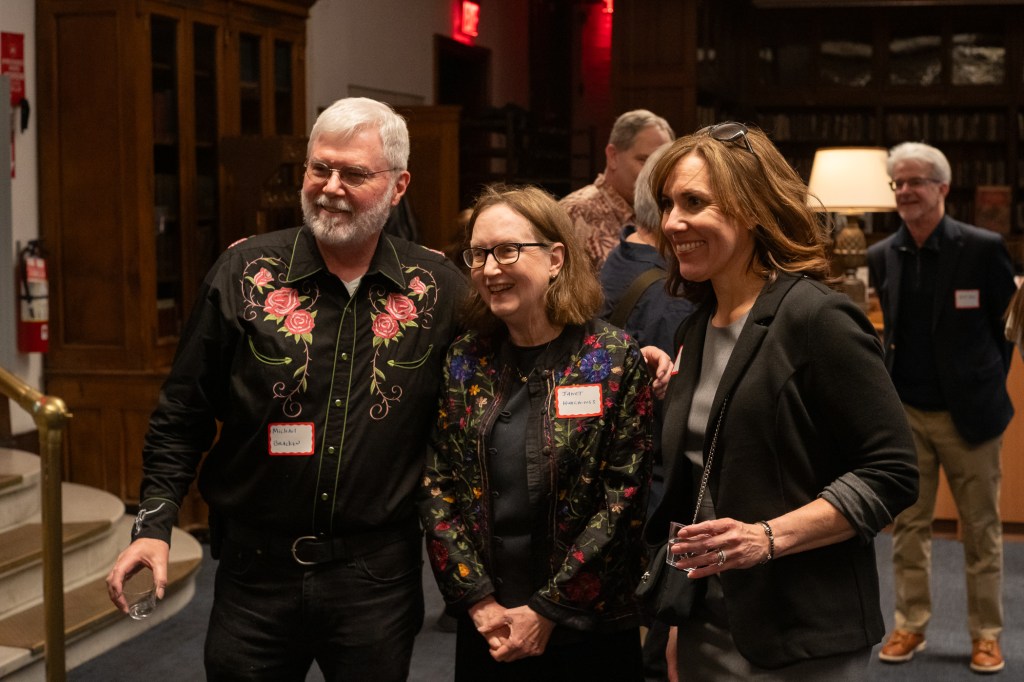
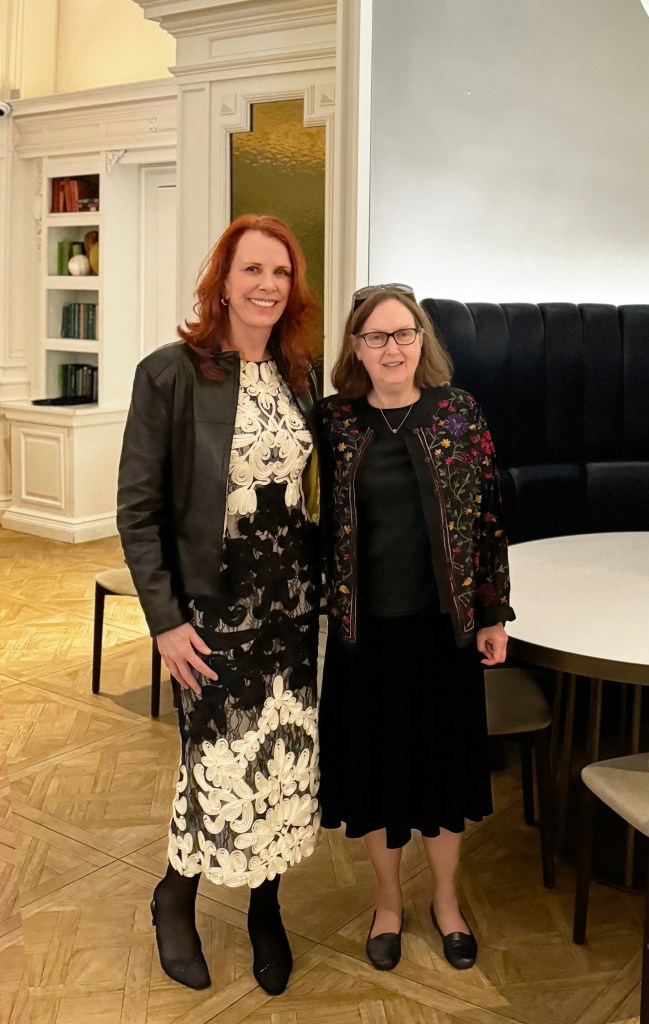
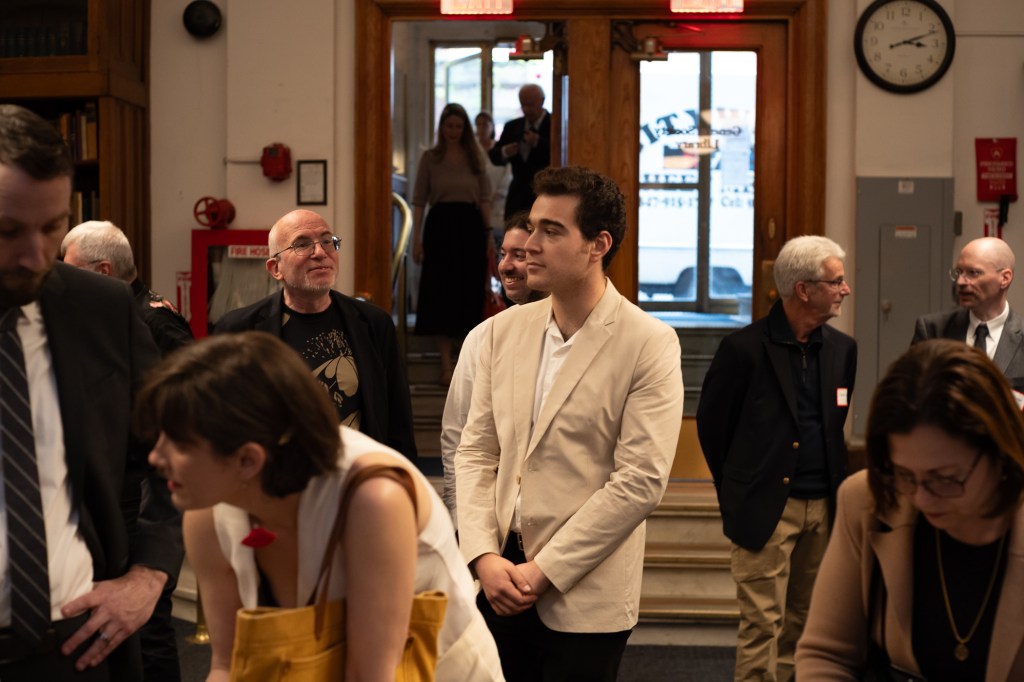
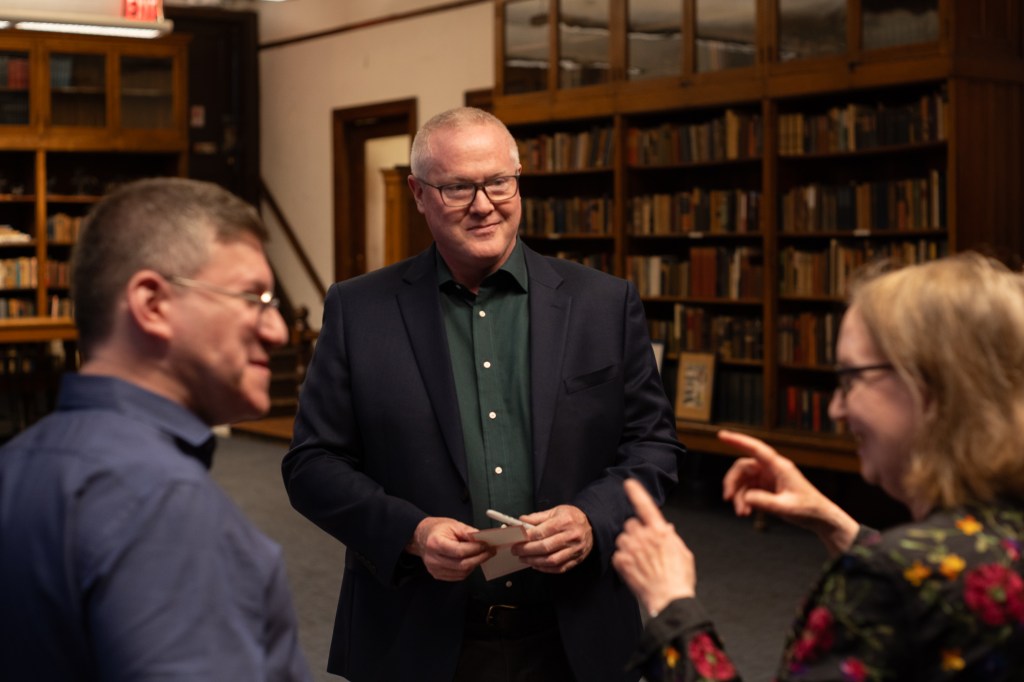
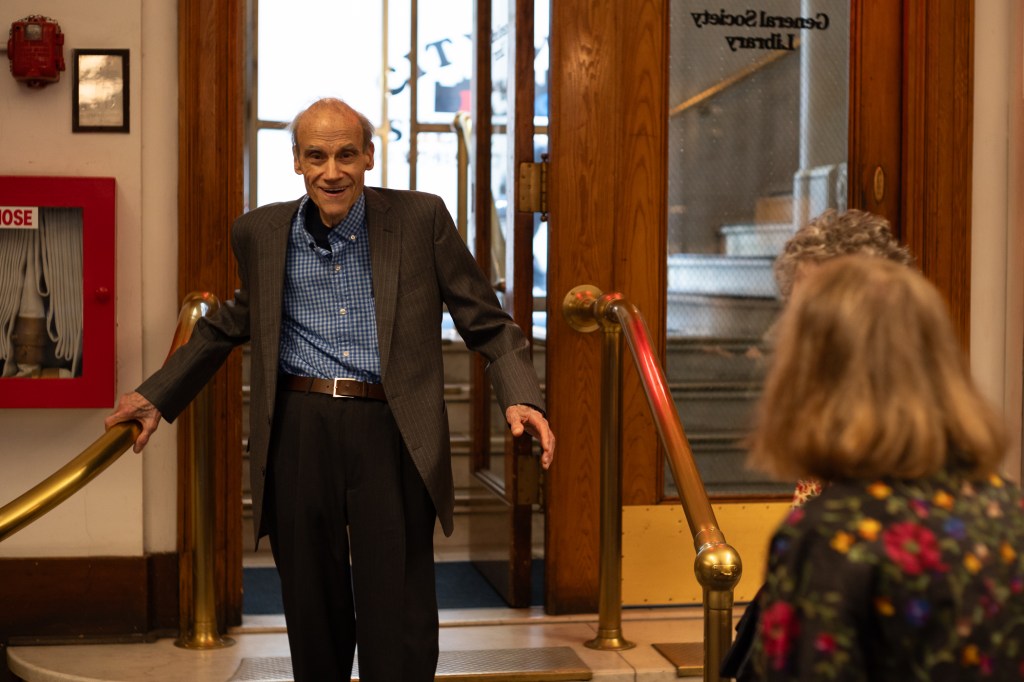
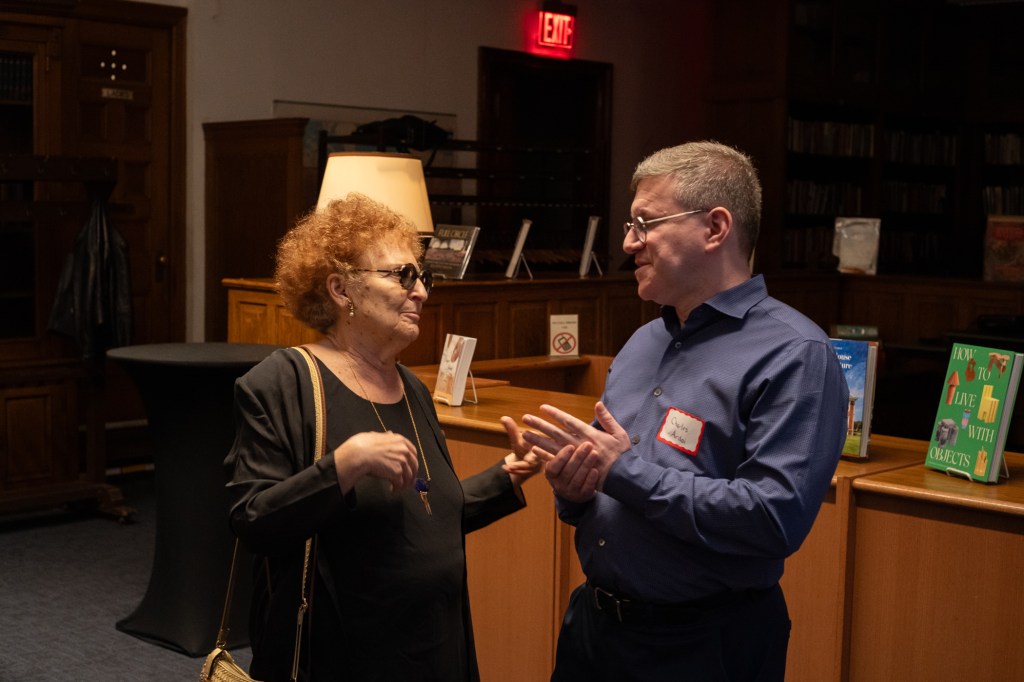
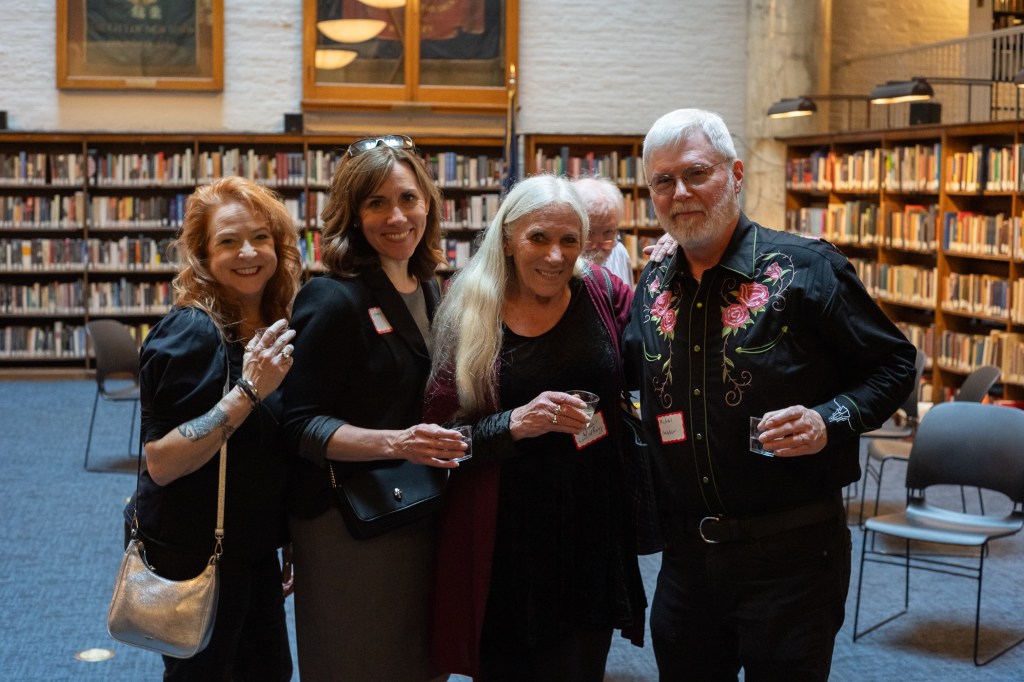

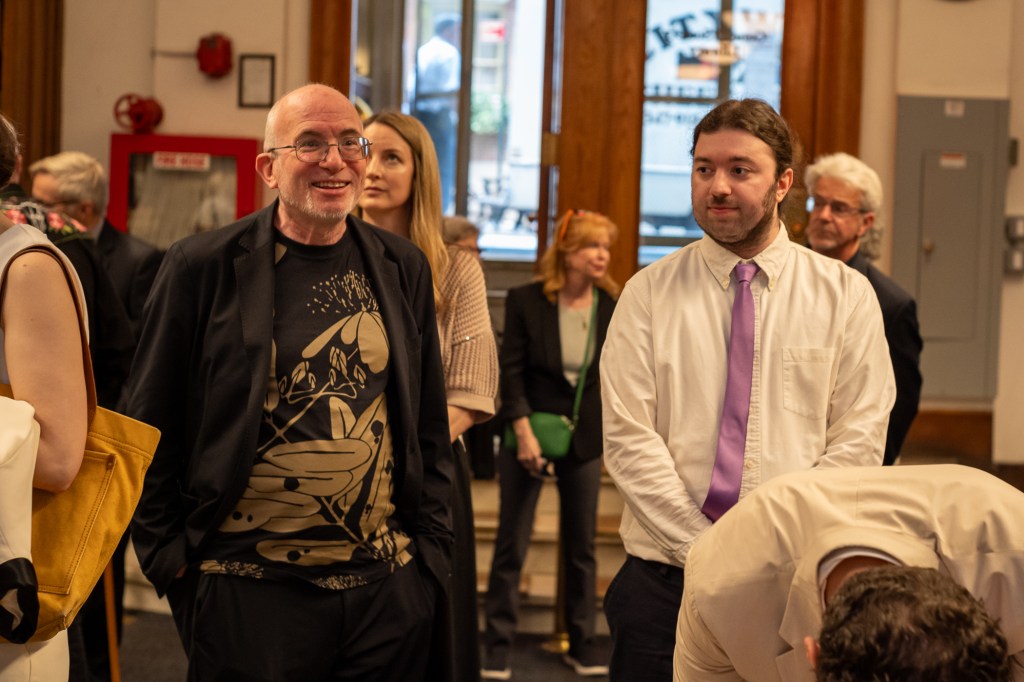

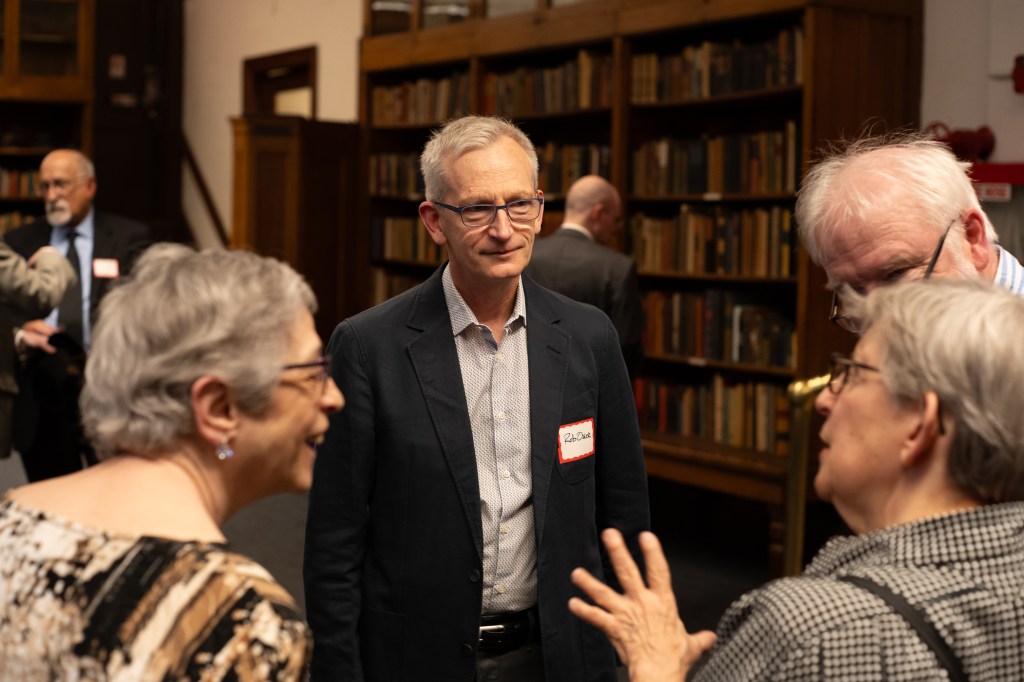
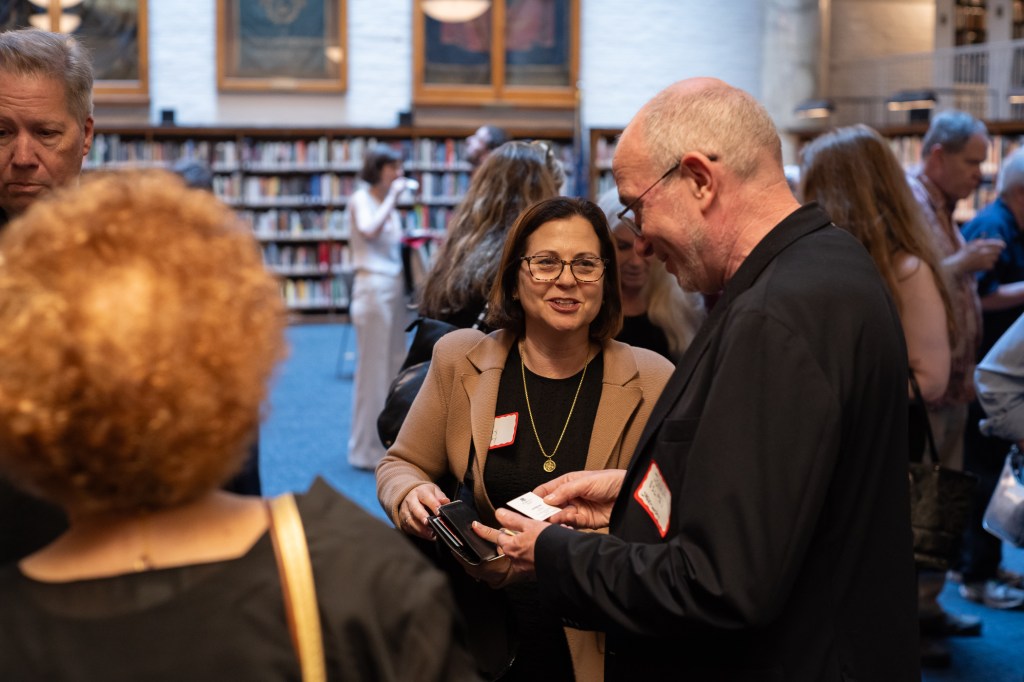

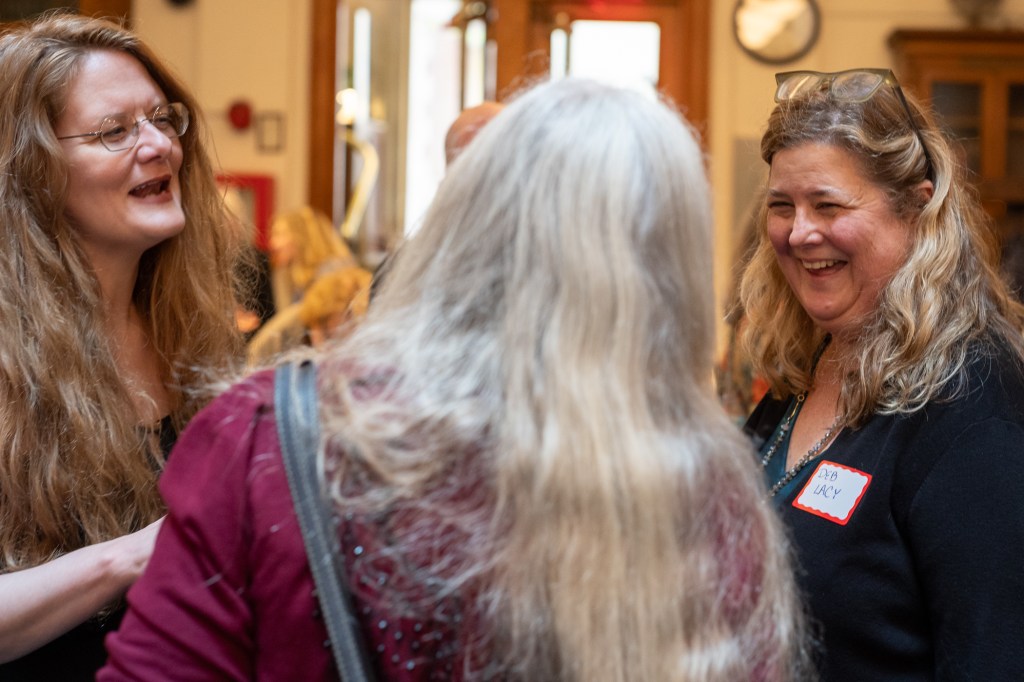
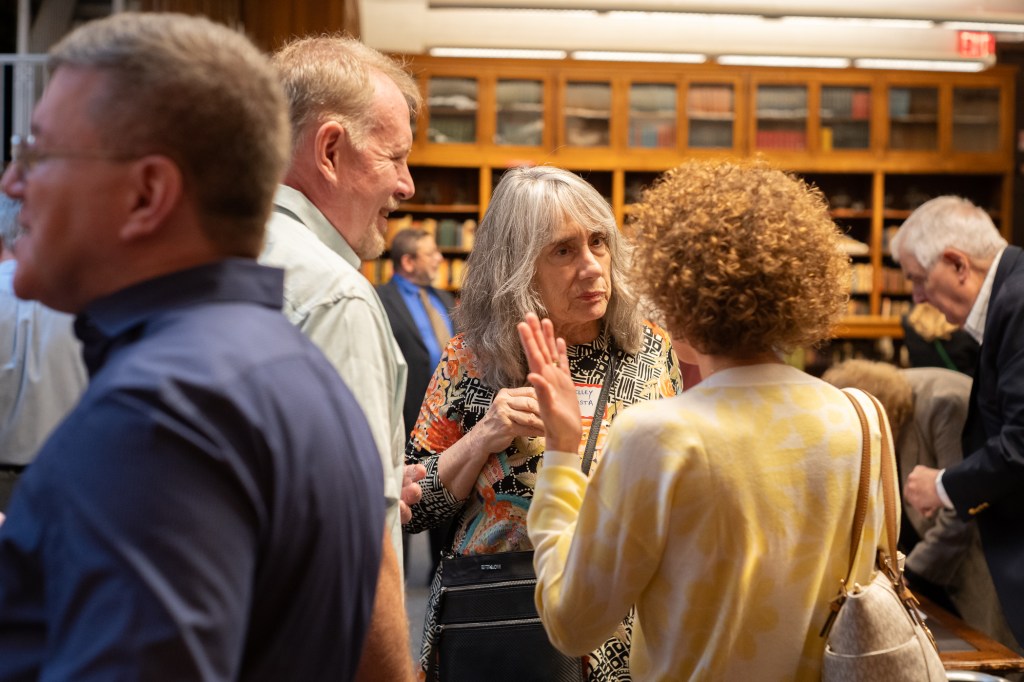



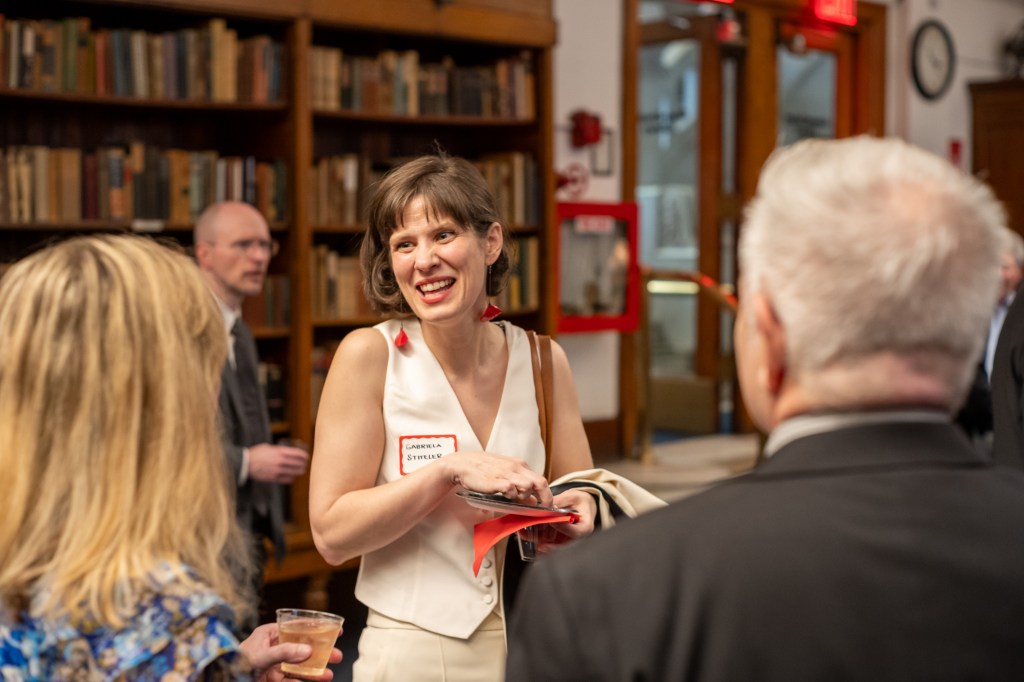

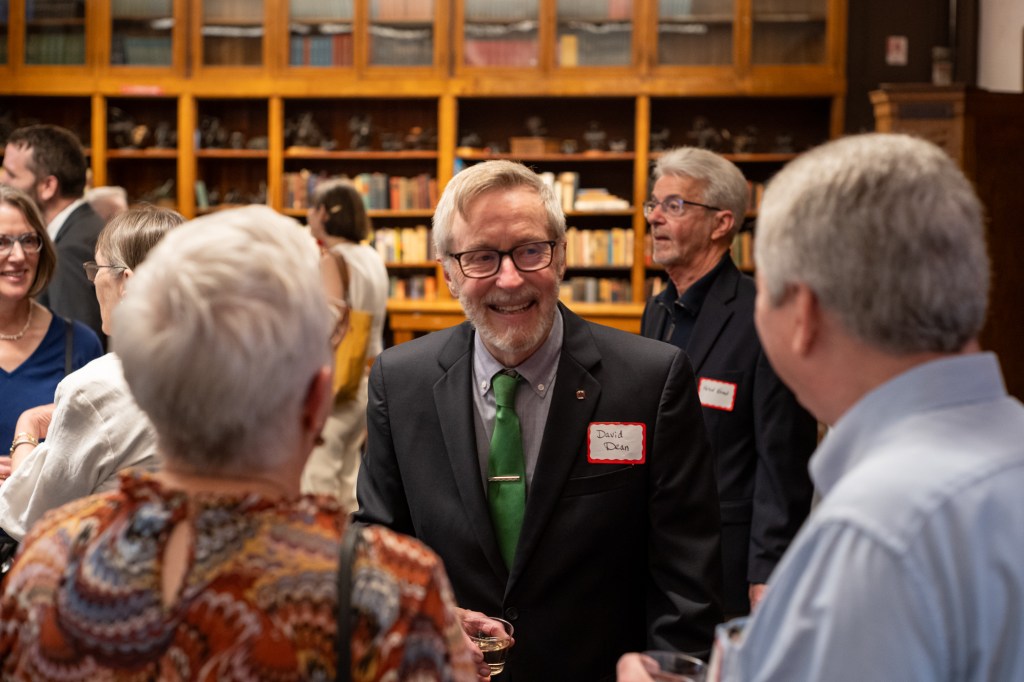
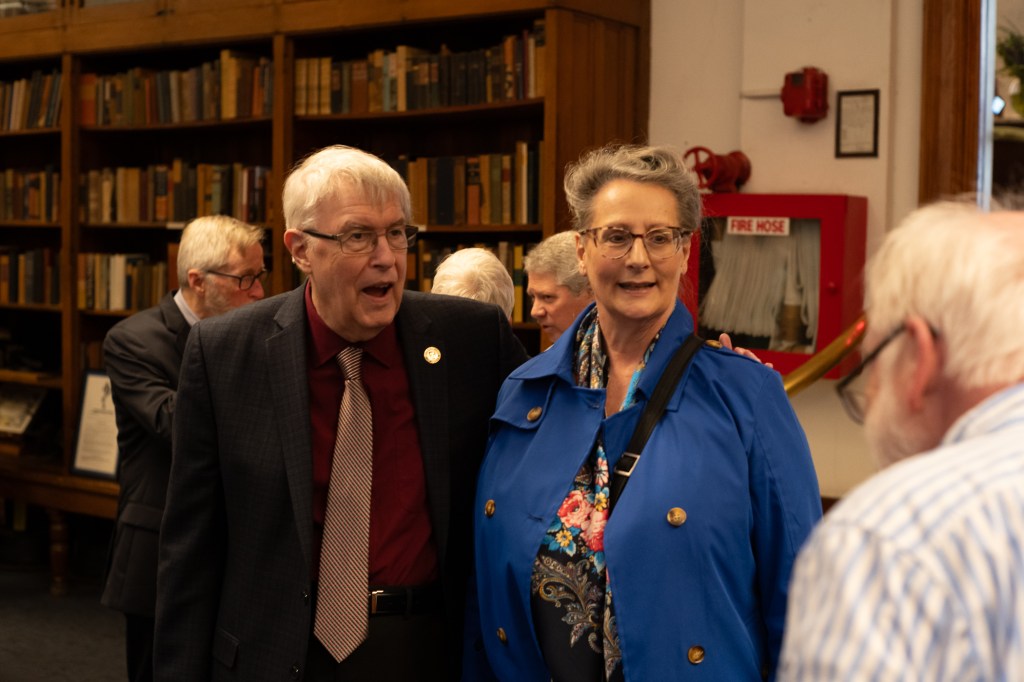

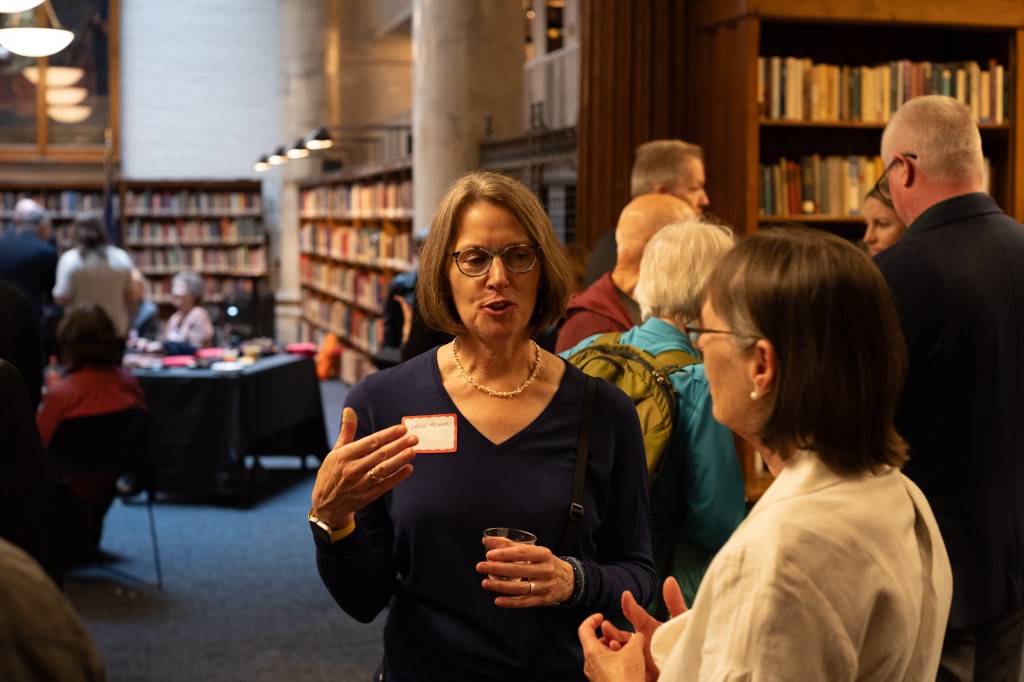

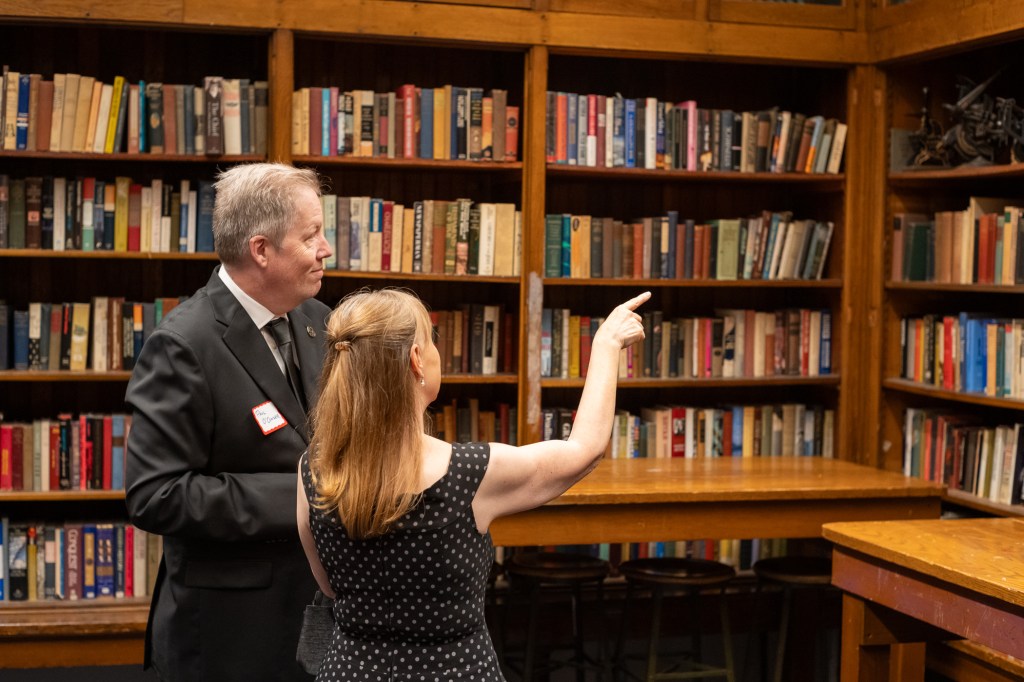
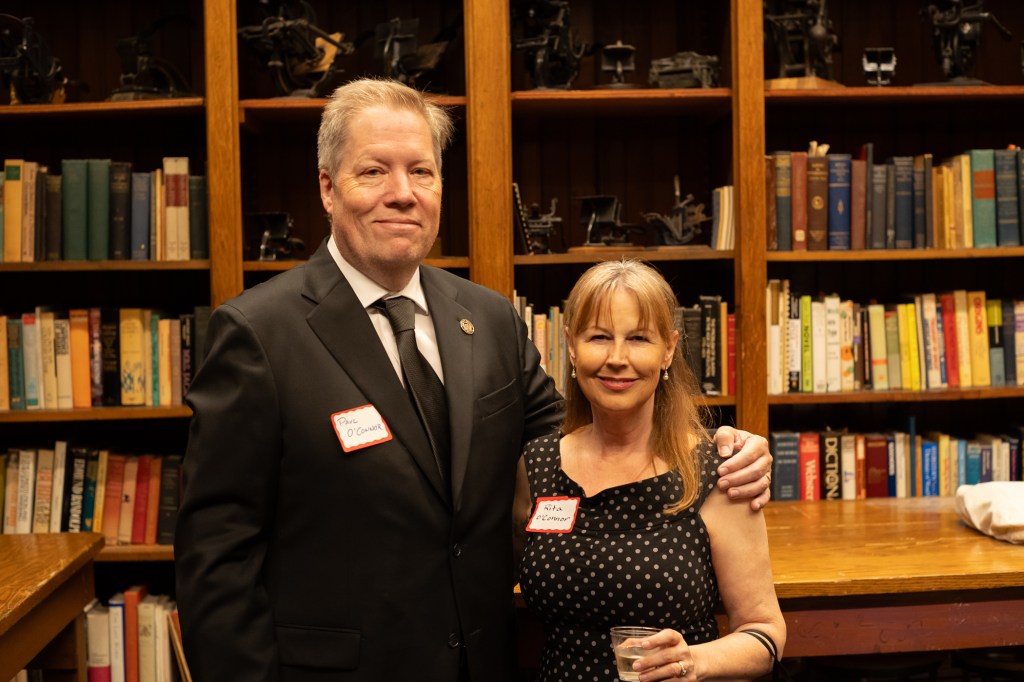
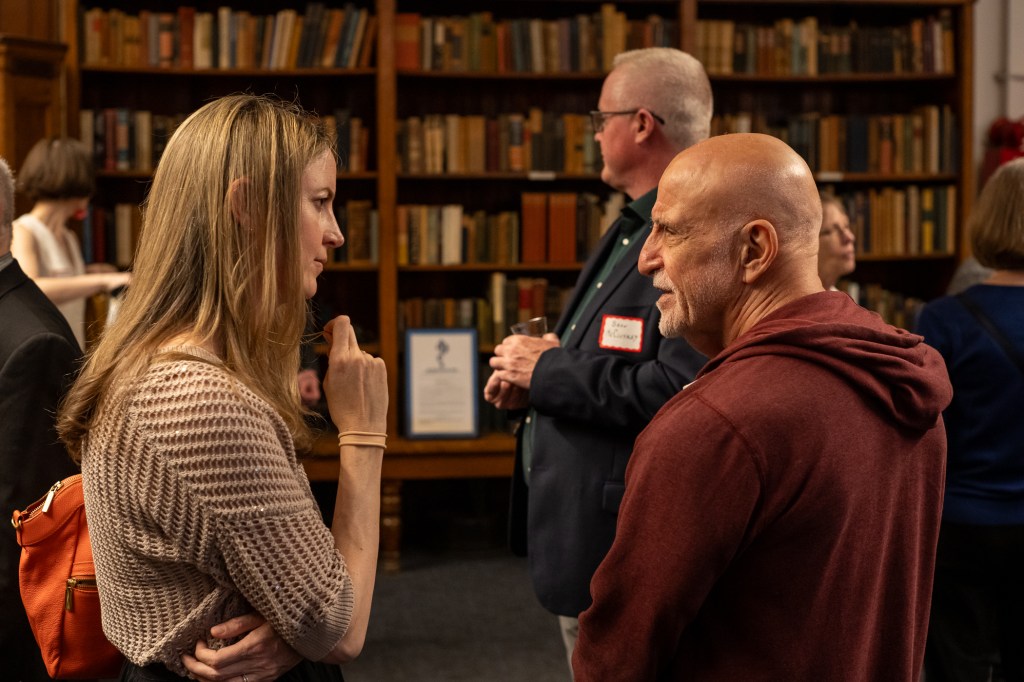
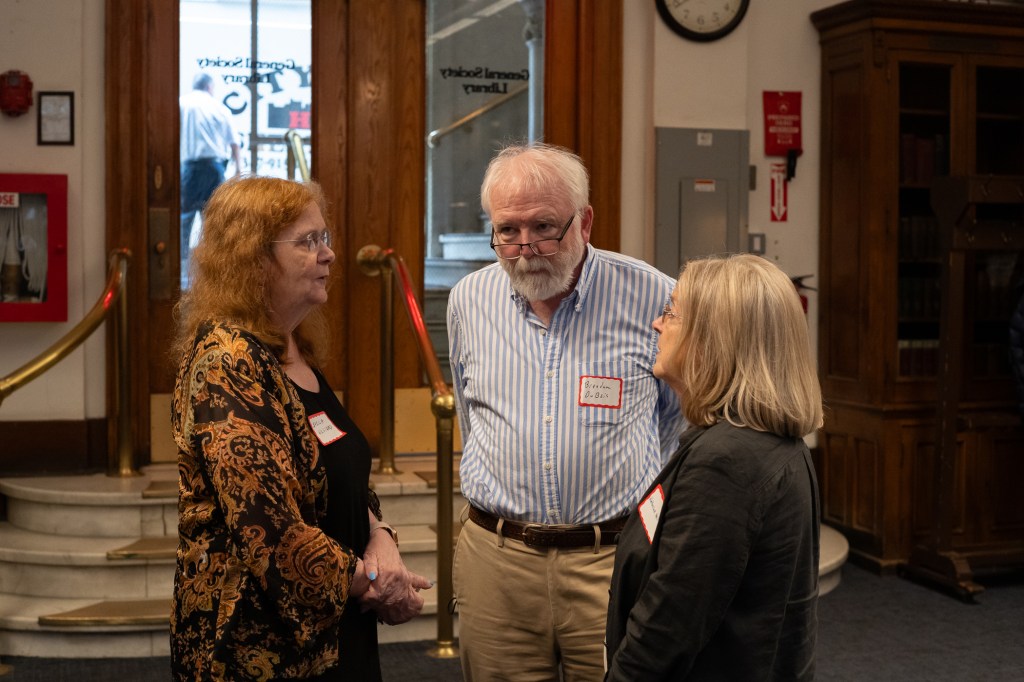
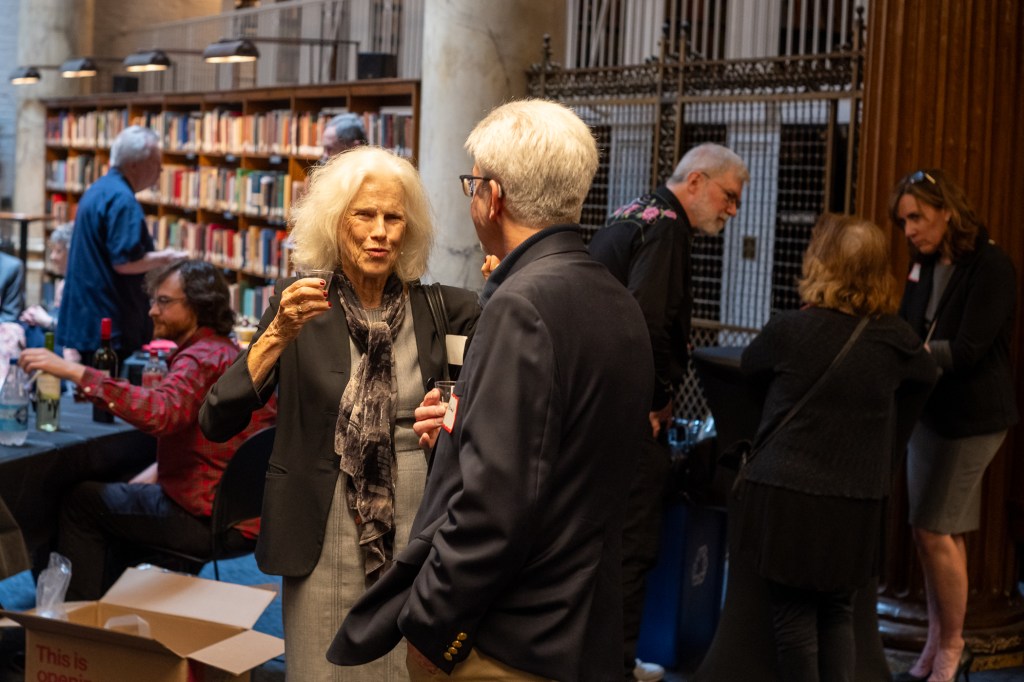

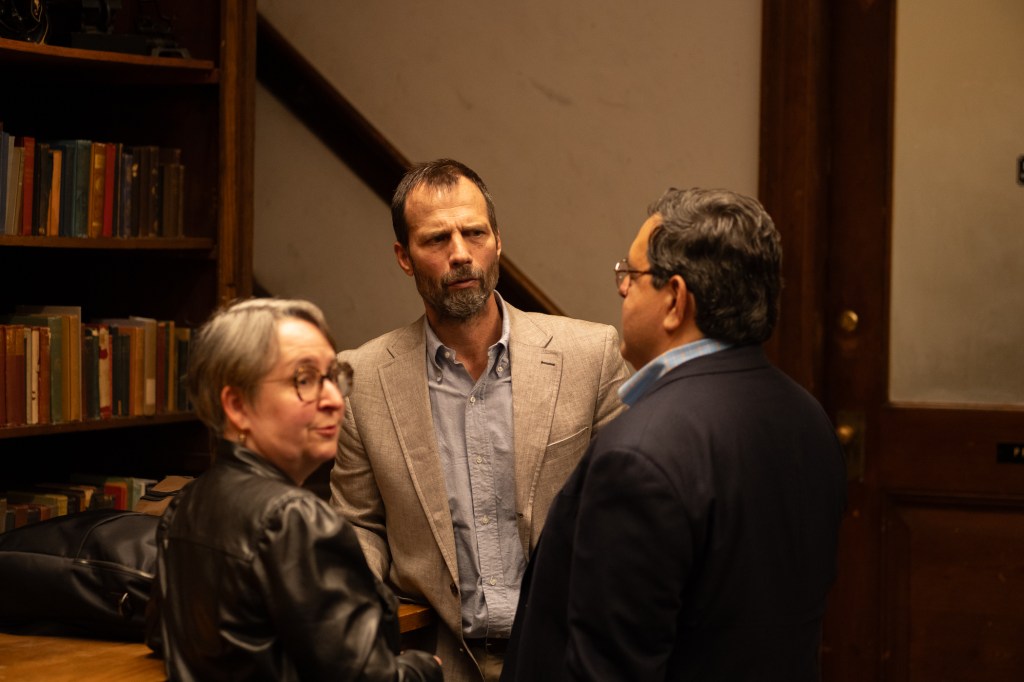
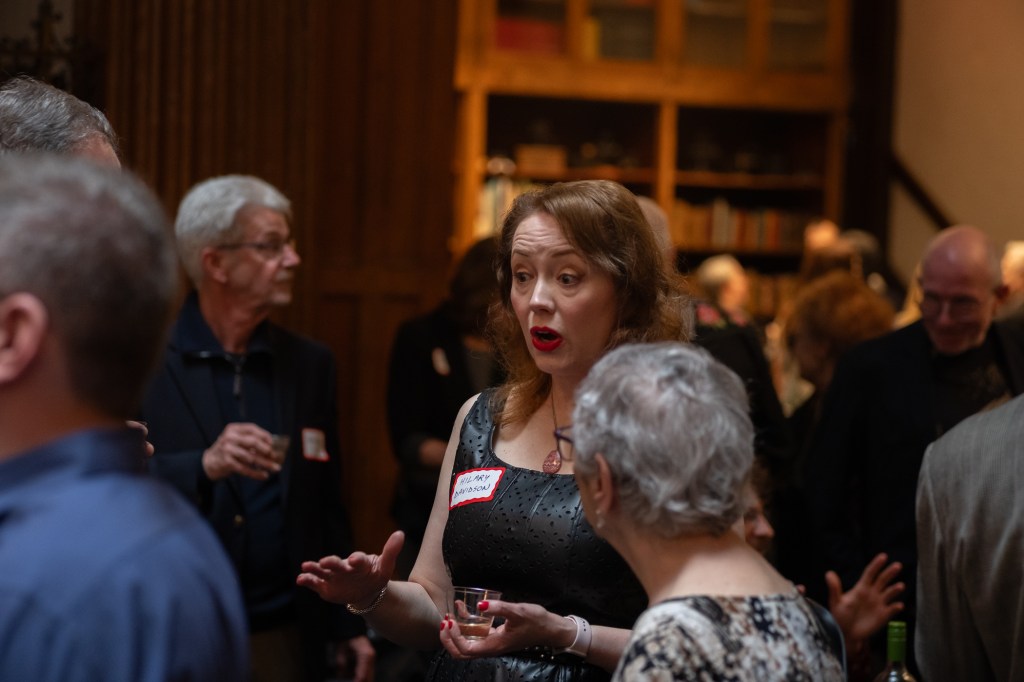
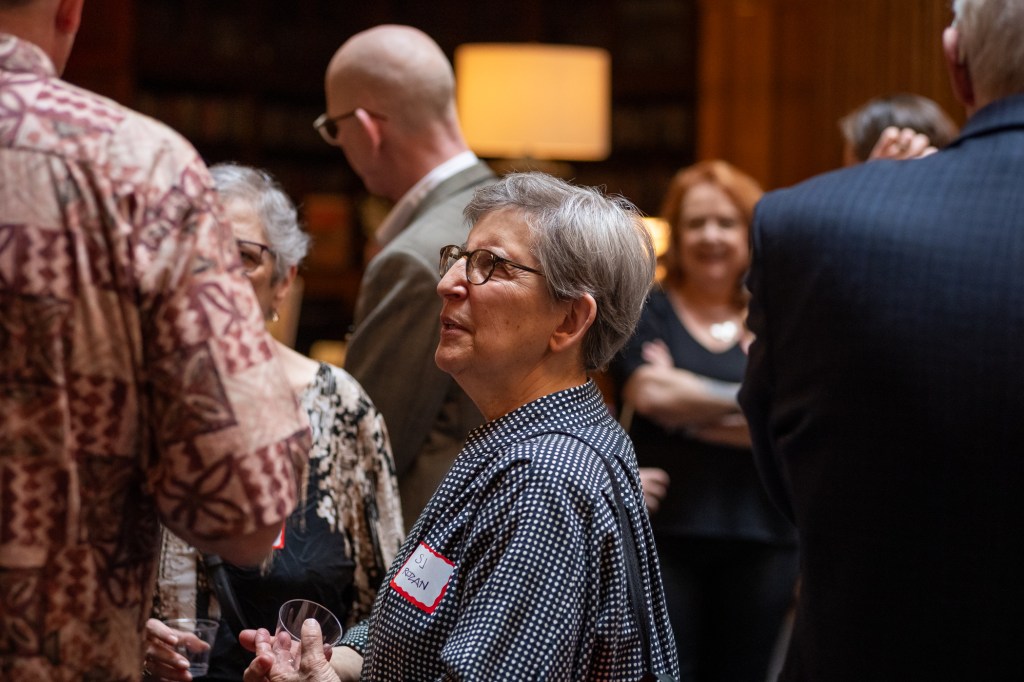
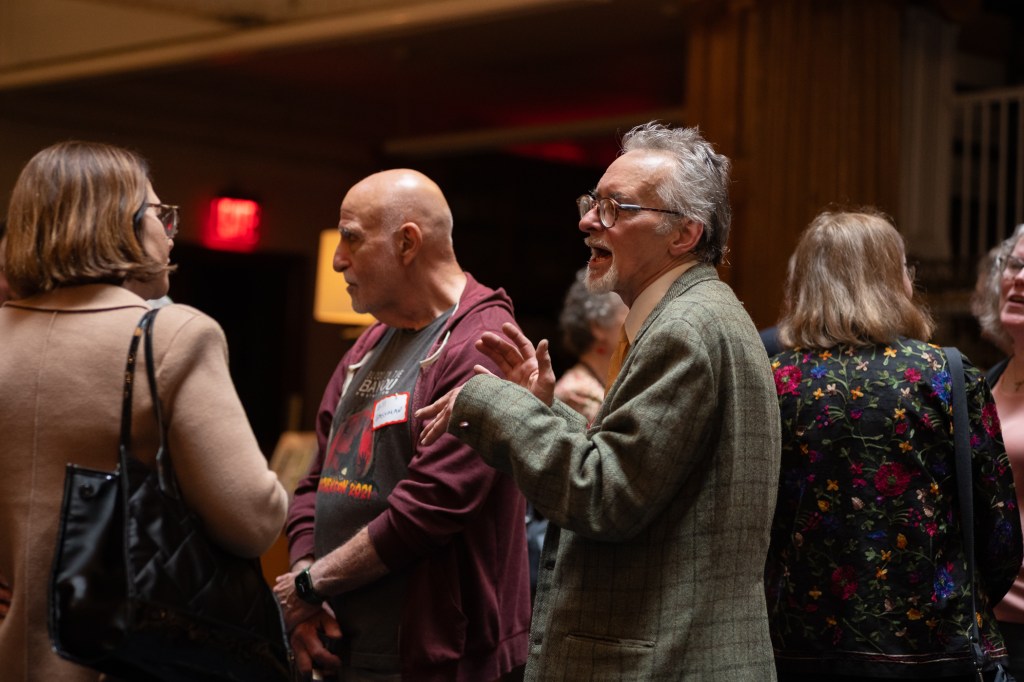

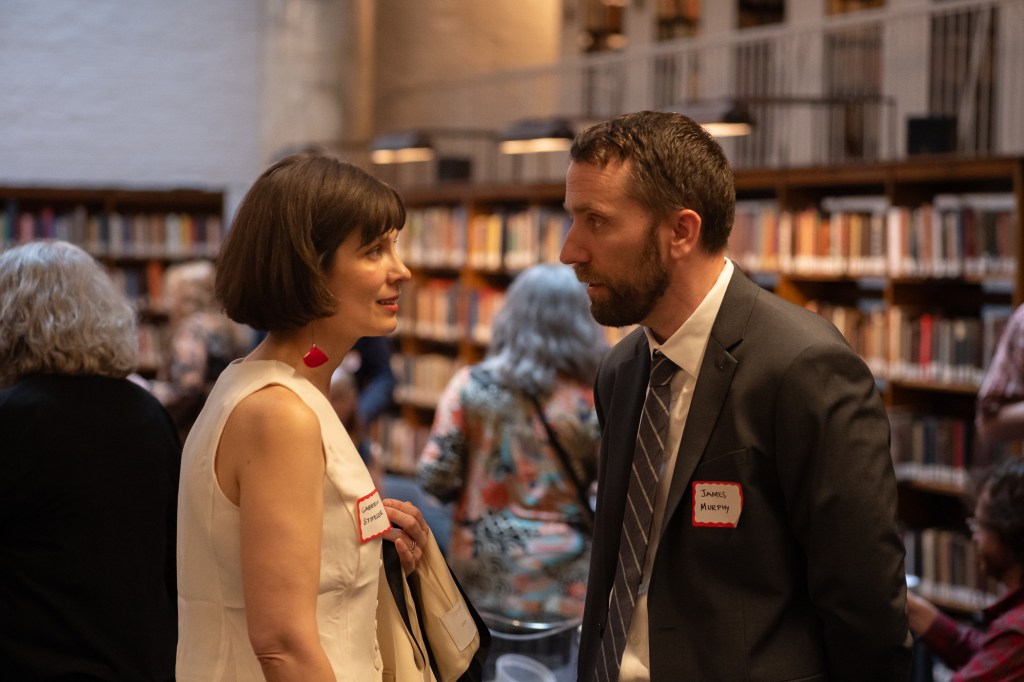
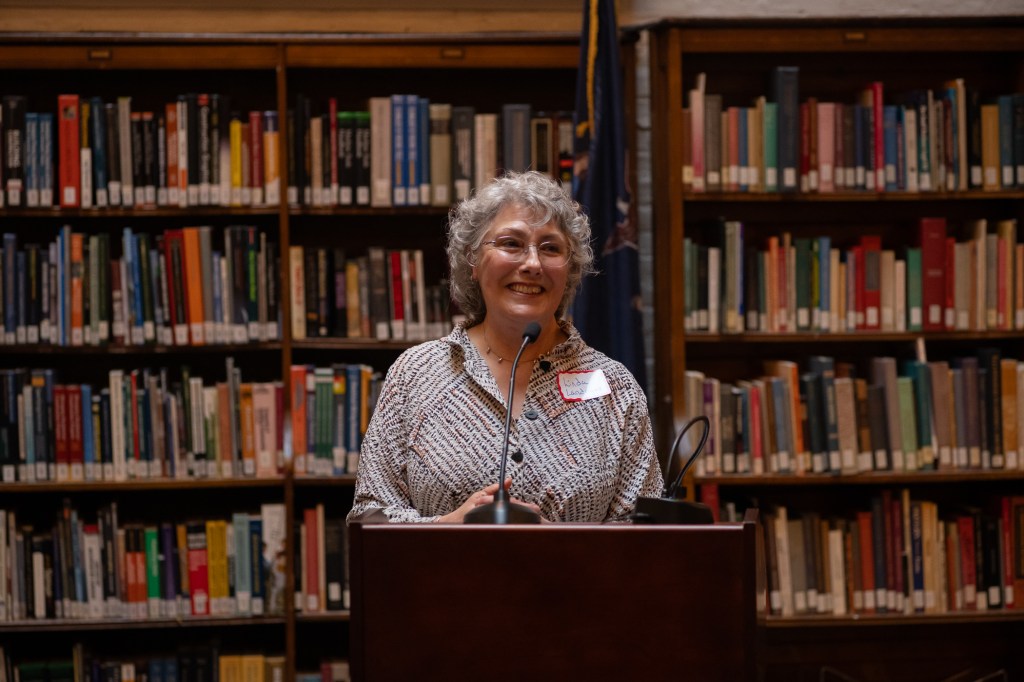

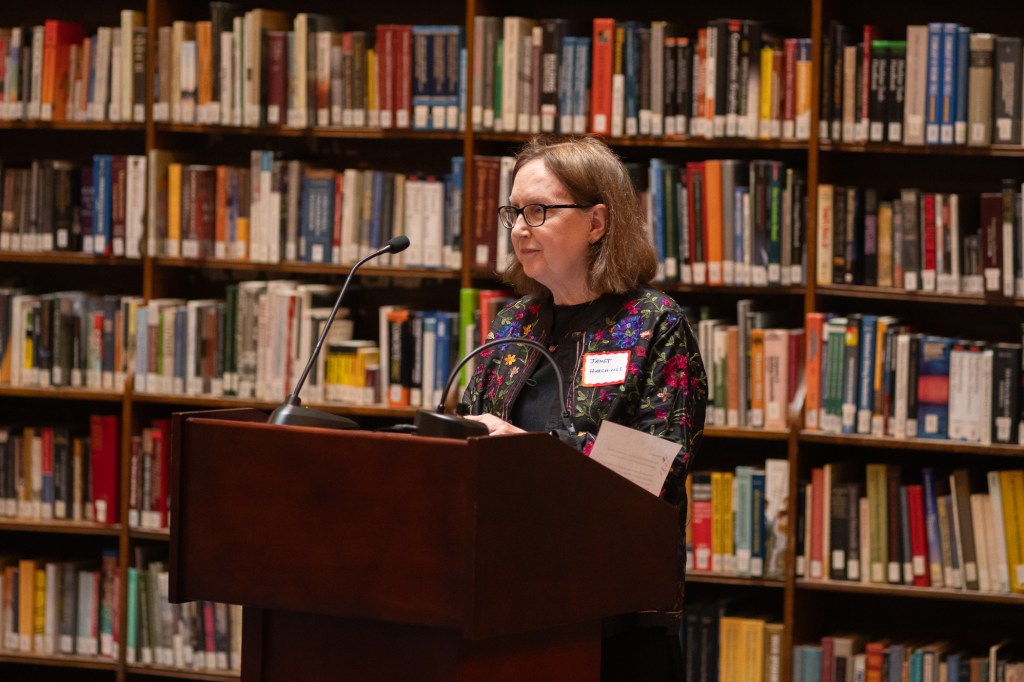
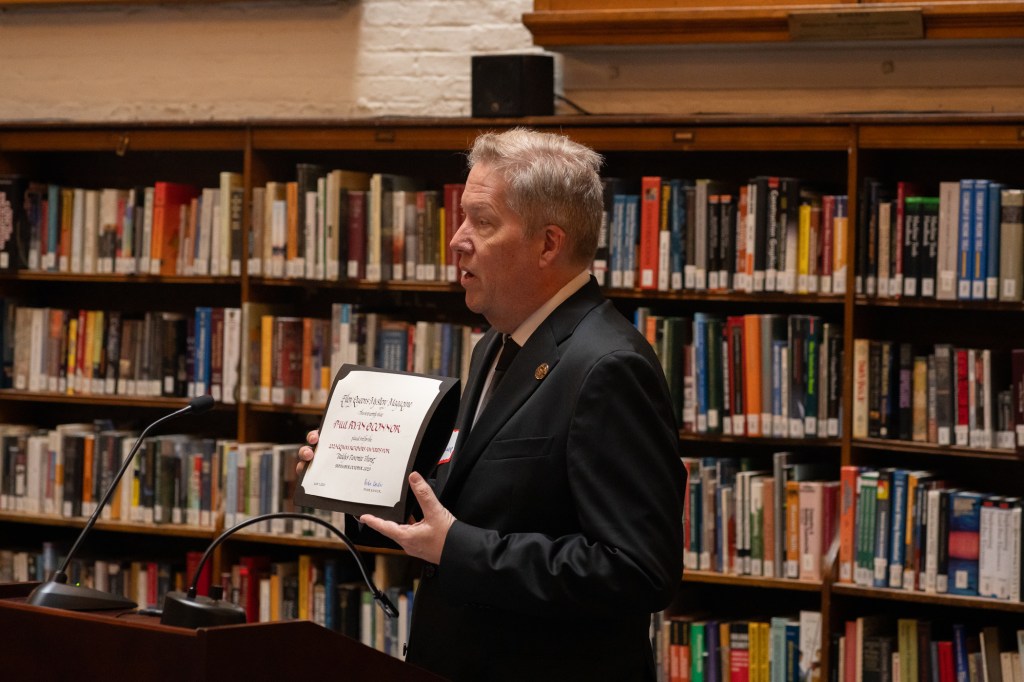

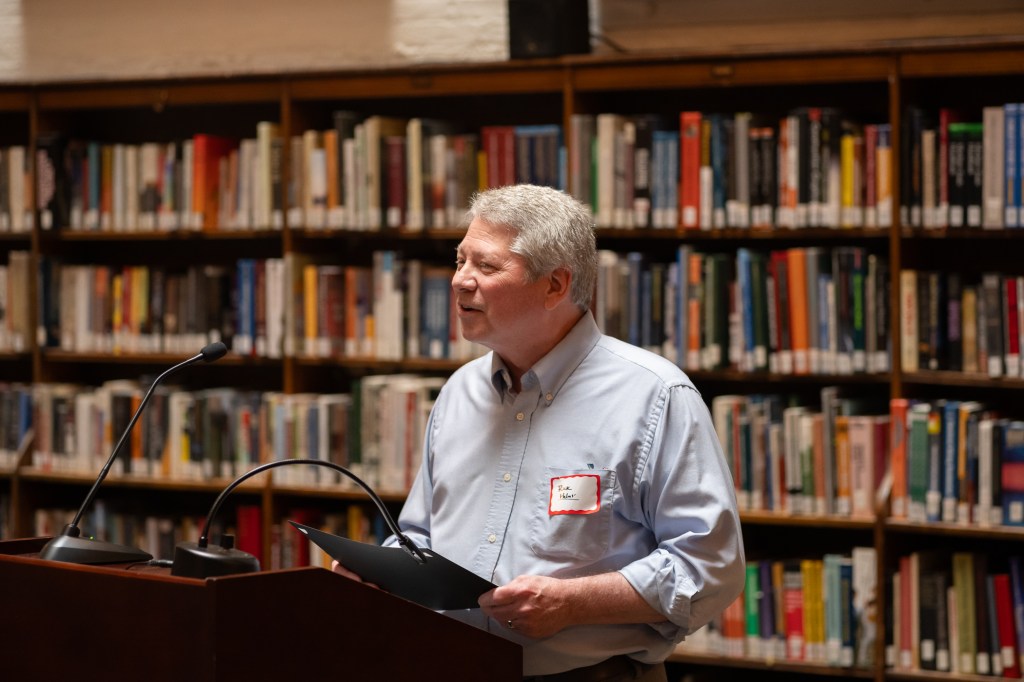

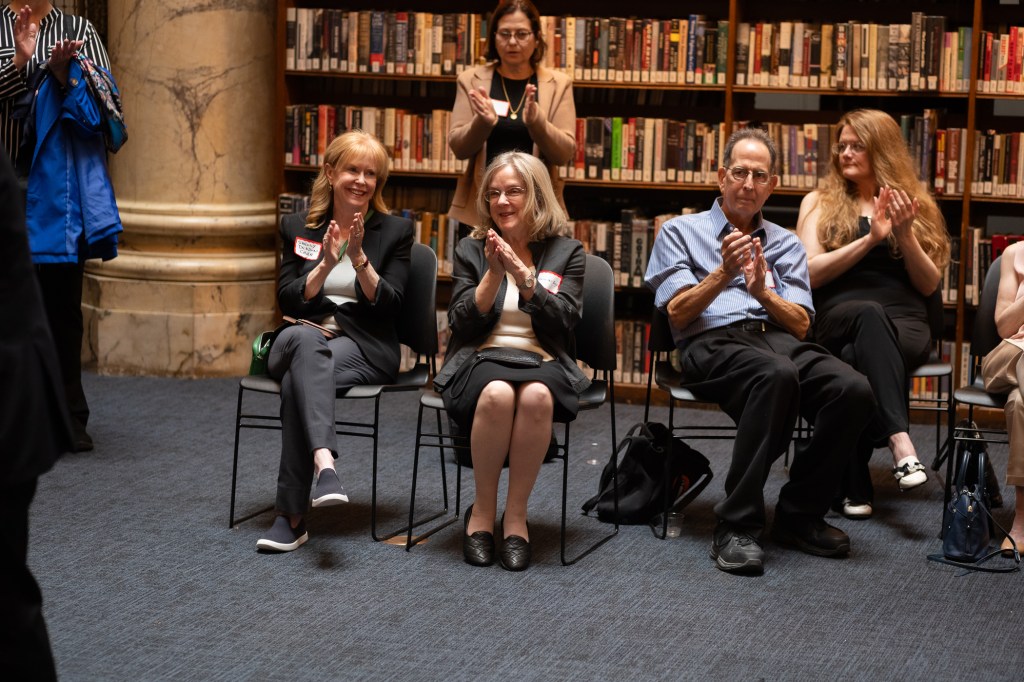
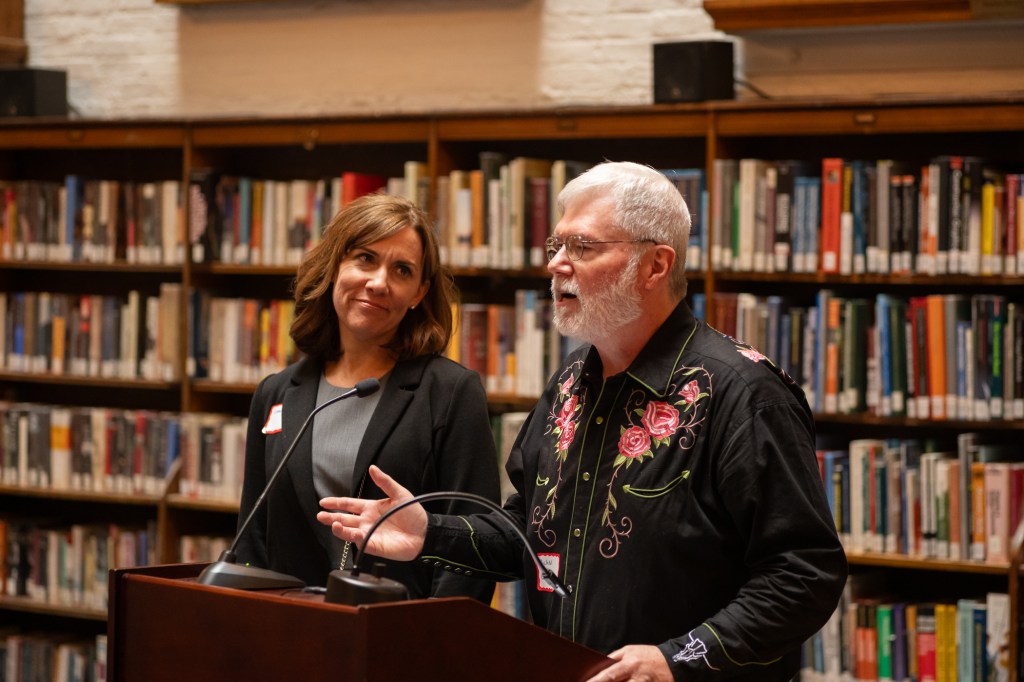

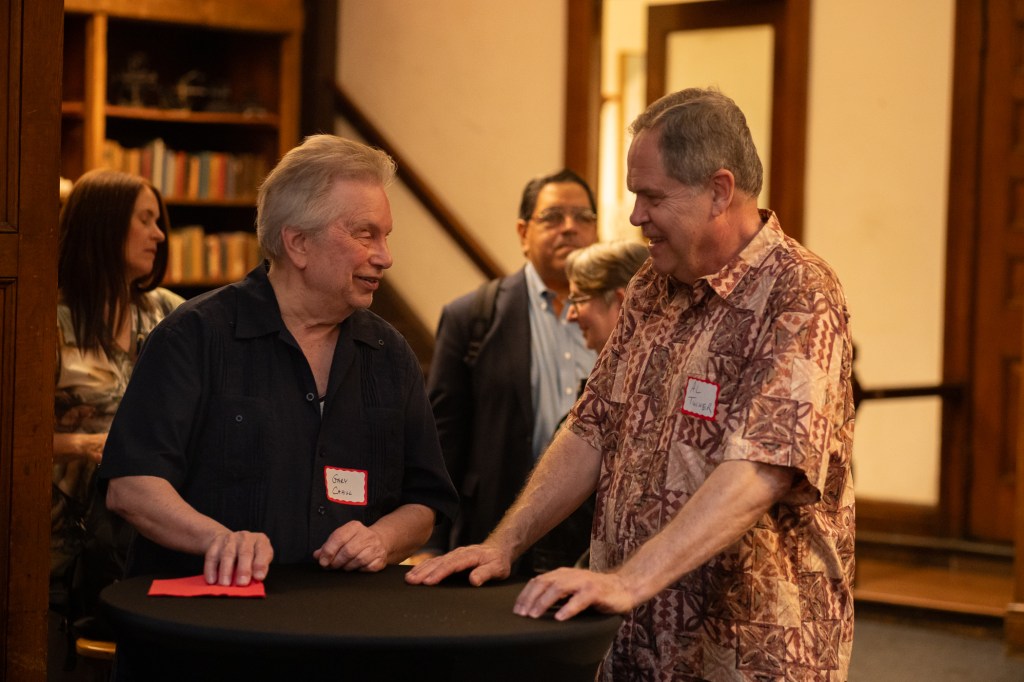
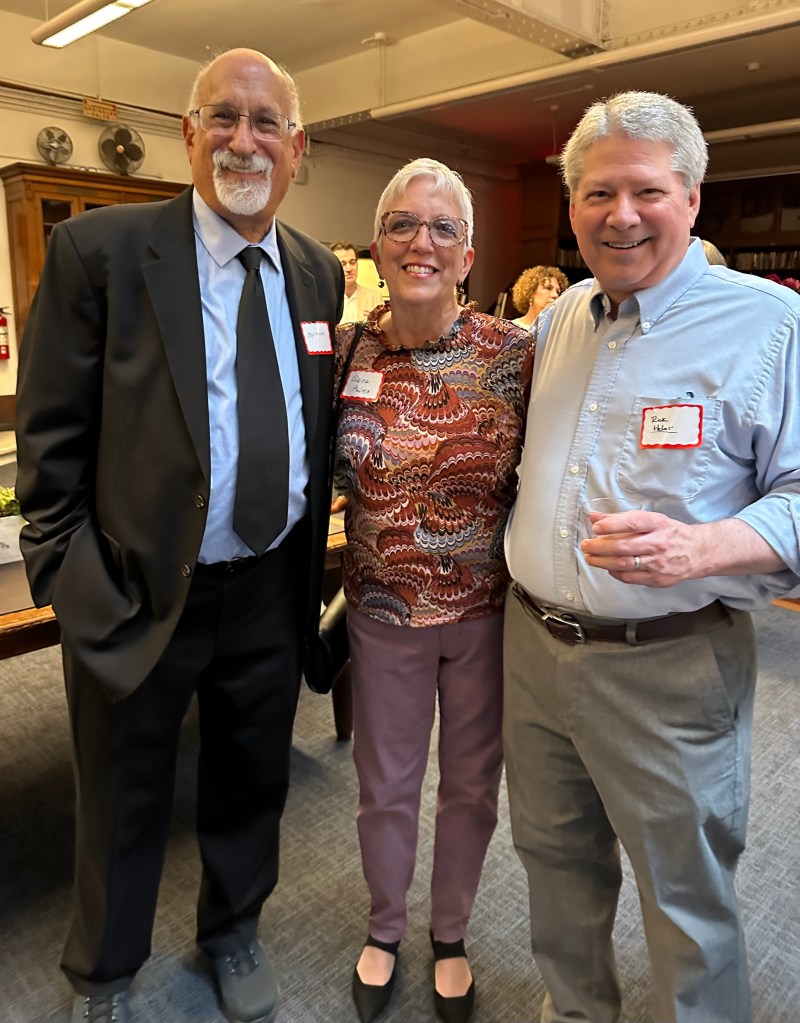
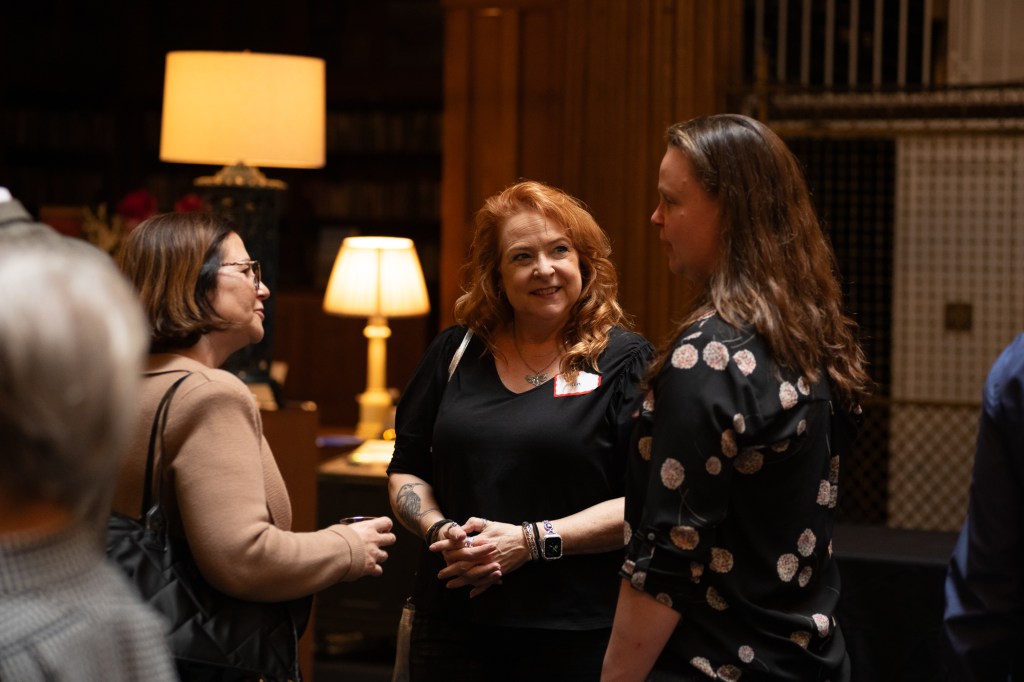
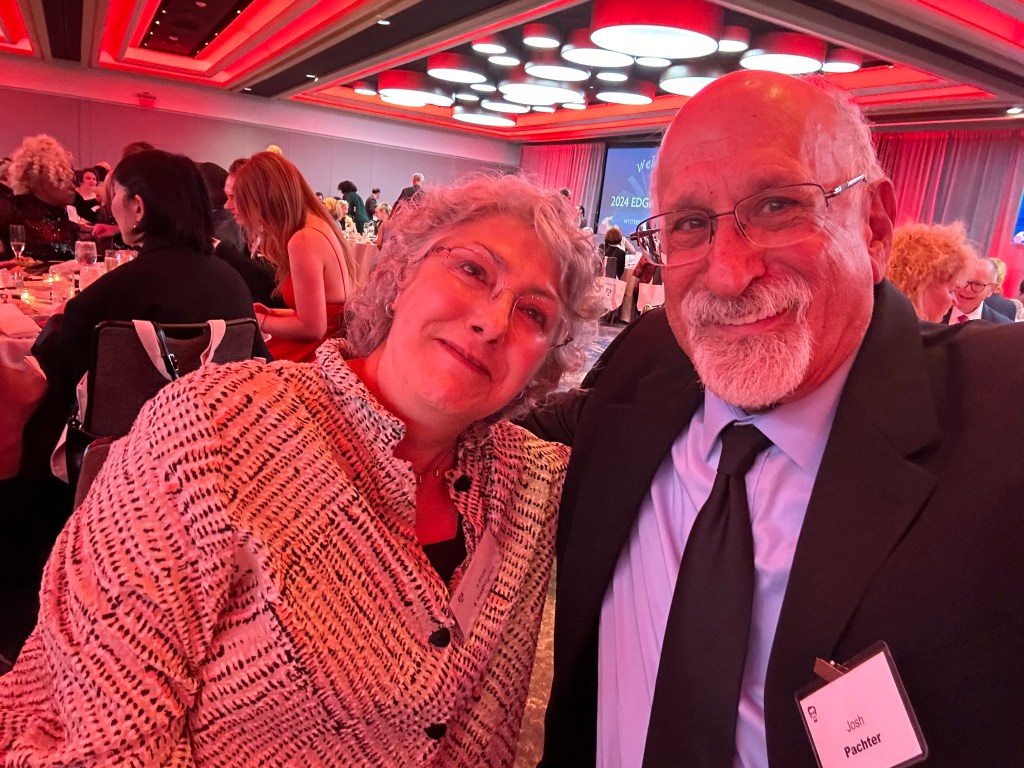


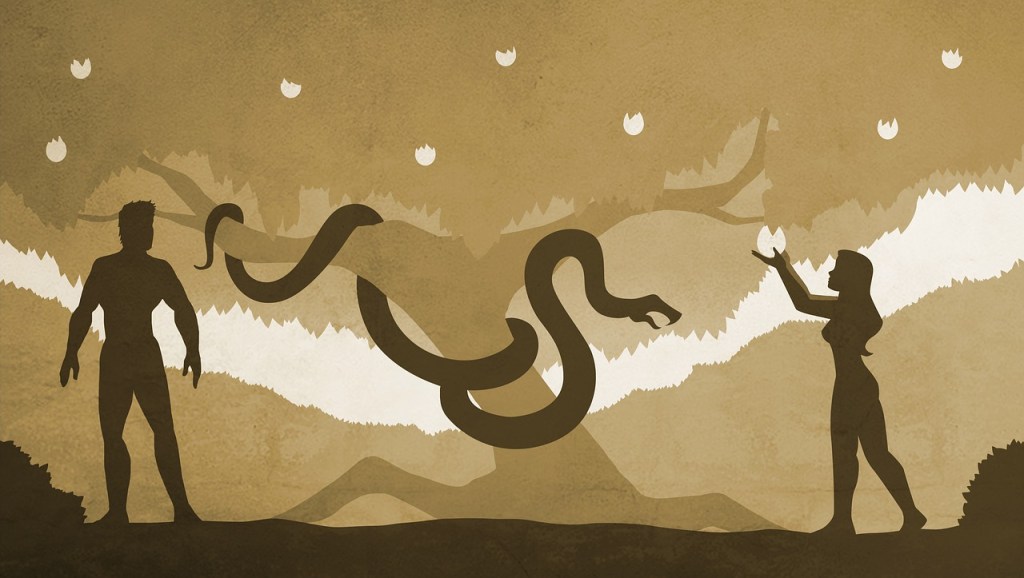


 SOMETHING IS GOING TO HAPPEN