
In this reflective post, Meenakshi Gigi Durham discusses her relationship to photography as well as its role in a few iconic mysteries. Read on to discover how it inspired her latest story, “Photograph,” from our March/April issue, on sale now!
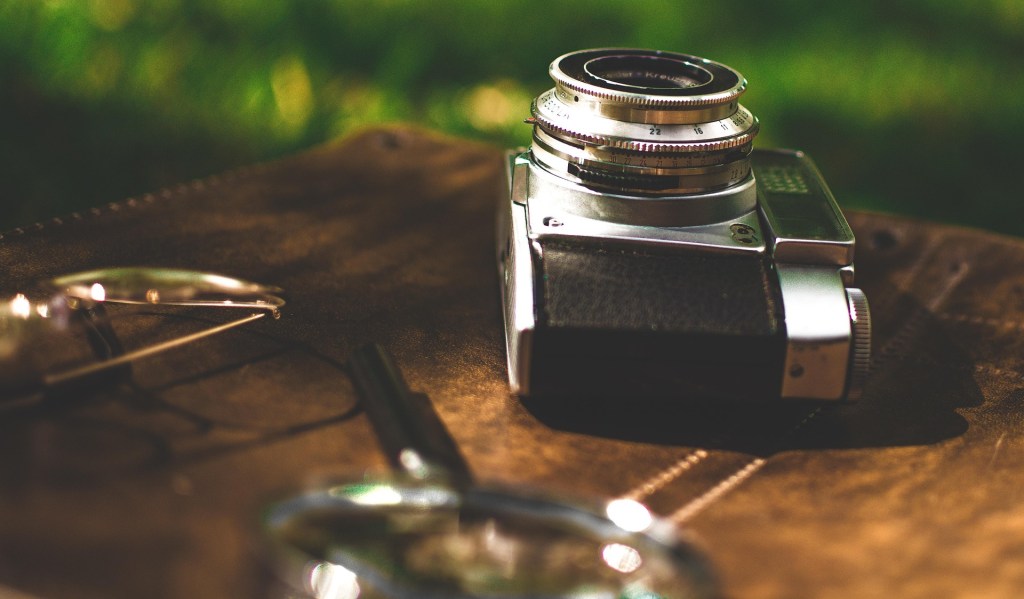
My short story “Photograph”—my fifth for EQMM—unsurprisingly features a photograph, a large black and white image that evokes a range of emotions from the characters in the story: wistfulness, prevarication, fury. Visual media have that kind of raw power, eliciting reactions from deep places within us. In her brilliant book on photography, A Cruel Radiance, the media theorist Susie Linley writes, “Photographs excel, more than any other form of either art or journalism, in offering an immediate, viscerally emotional connection to the world. . . . There is no doubt that we approach photographs, first and foremost, through emotions.” The photograph in “Photograph” is large; it is erotic; it may or may not be the work of a celebrated cameraman. This photograph looms over the complexly interlaced lives of the people in my story: a student, an aging libertine, a daughter, a neighbor.
I am an avid mystery reader, devouring short stories, novels, and flash fiction with equal gusto. I can think of some brilliant works of fiction where photographs play pivotal roles (J.B Priestley’s An Inspector Calls, Agatha Christie’s Why Didn’t They Ask Evans?) One of my favorite mystery short stories that centers on a photograph is Eileen Dreyer’s The Sailor in the Picture, referencing a picture we all recognize and adding a twist that pulls us into a startling turn of events. “The photo is iconic,” the story begins. “A young nurse is caught up in the arms of a sailor. Her leg is curled, her foot up, her head impossibly far back as people run past, laughing, waving, dancing along the black-and-white reaches of Times Square.” The year is 1945. The picture was taken by Alfred Eisenstaedt. We all know it. But the story is not about the people in that picture: it’s about the girl the sailor kissed before he kissed the nurse and the violent events that unfold as a result.
Photographs are potent, provocative, political. Photographs have ended wars, upended public opinion, motivated Senate hearings and legislation, sparked laughter and galvanized grief. Photographs are exquisitely intimate, too: I am sure we all keep photographs that mean something to us, images of people or places or even things that awake or break our hearts. These days the images are on our phones, though that likely doesn’t diminish their impact. I gaze often at photographs of my newborn daughters, now grown, and to this day I am wracked by waves of emotion. In my story “Photograph,” an image is the pivot for the kind of longing for love that can destroy lives—and does.

 SOMETHING IS GOING TO HAPPEN